Can a Supercharger Damage Your Engine in Amarillo's Summer Heat?

July 16, 2026
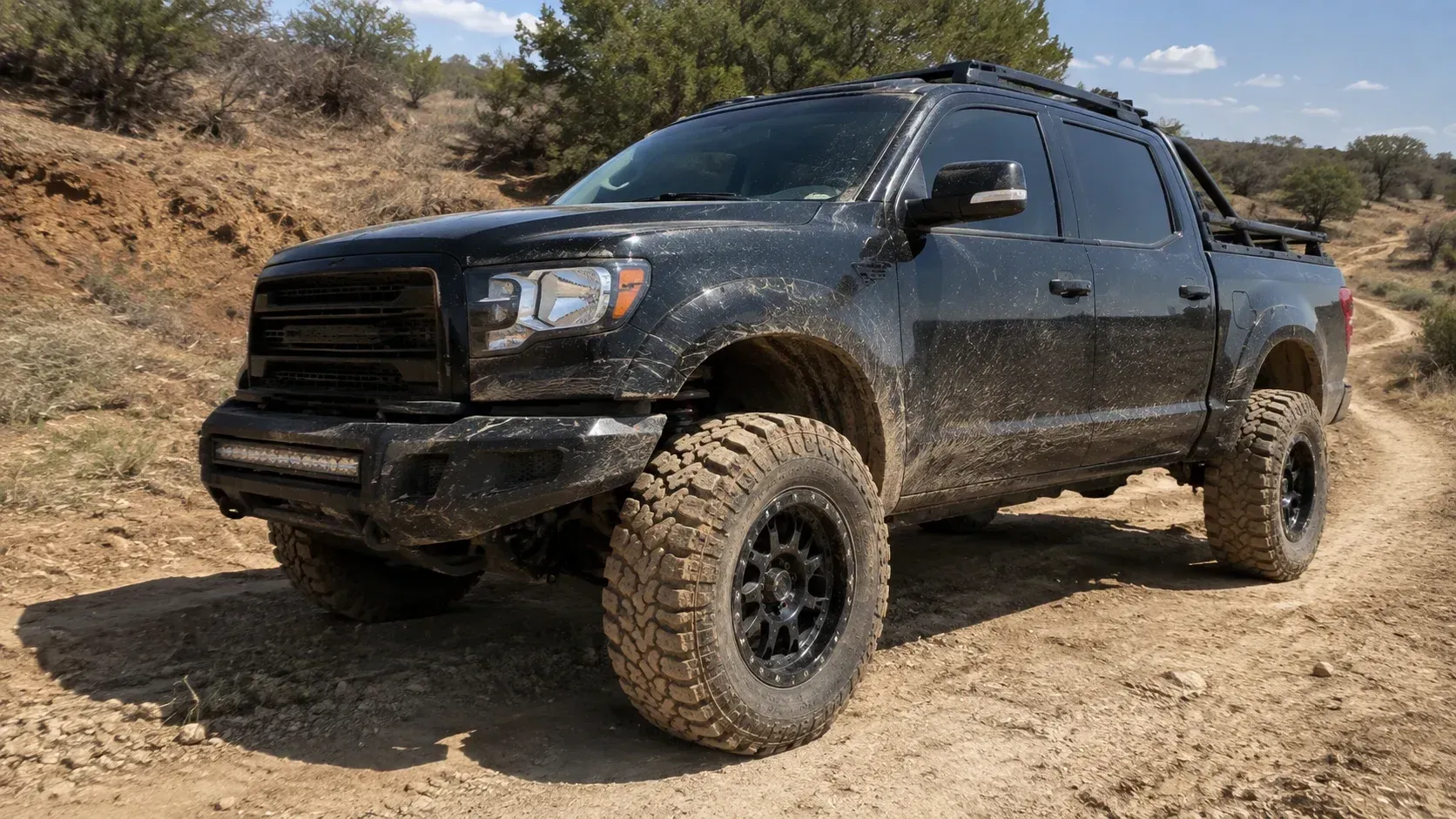
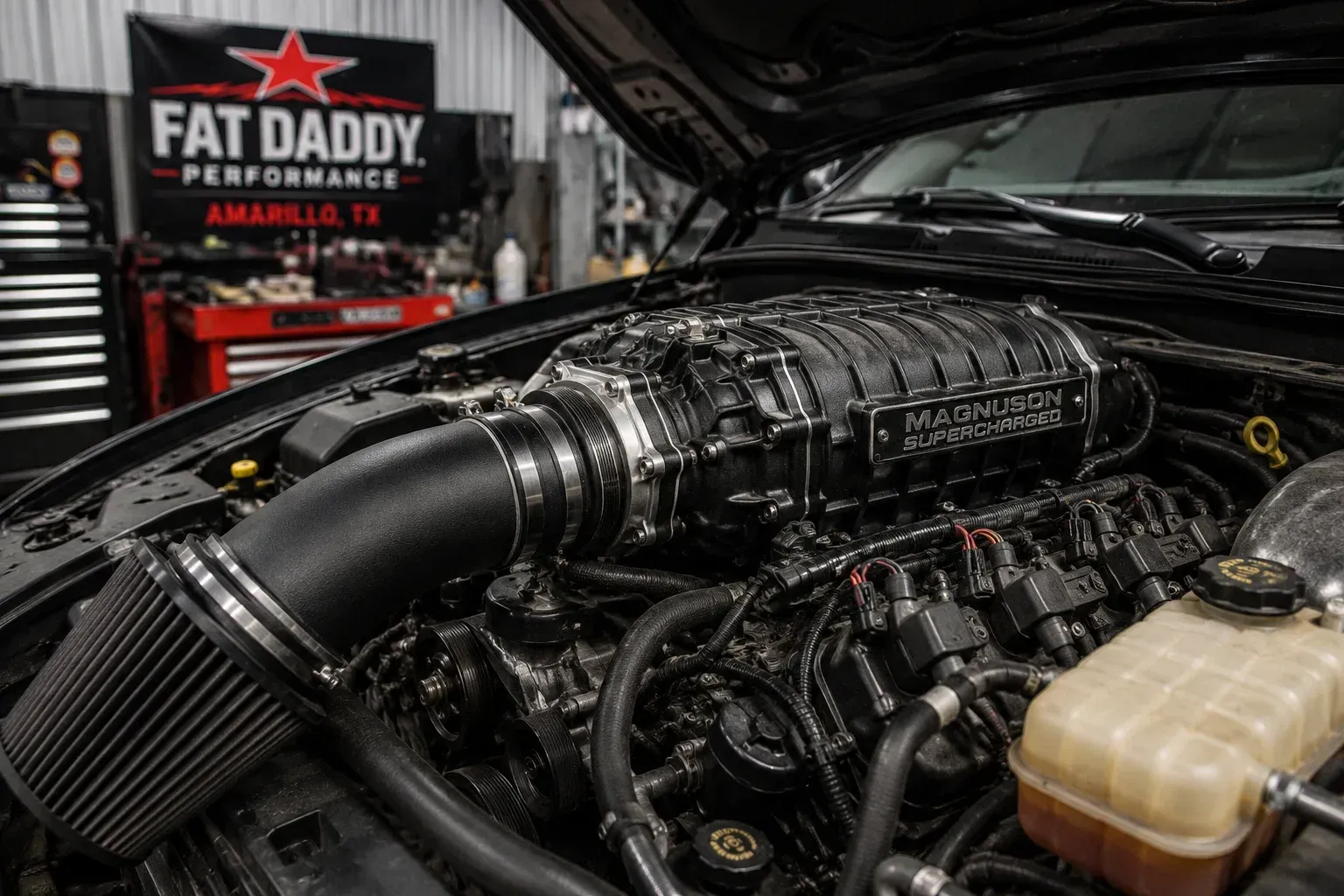
A close-up of a powerful black Magnuson supercharger installed on a truck engine at Fat Daddy Performance, addressing the common question: Can a supercharger damage your engine?

Table of Contents

  1. Introduction
  2. The Short Answer: Heat Is a Risk Factor, Not a Verdict
  3. What a Supercharger Actually Does to Your Engine
  4. Why Amarillo Heat Raises the Stakes
  5. The Real Causes of Supercharger-Related Engine Damage
  6. How to Protect a Supercharged Engine in Hot Weather
  7. Signs Your Supercharged Engine Is Running Too Hot
  8. Conclusion
  9. Get Straight Answers Before You Buy
  10. Frequently Asked Questions


Key Takeaways

  • A supercharger by itself does not damage an engine. Problems come from bad tuning, inadequate cooling, low-octane fuel, or skipped maintenance, and hot weather makes all of those worse.
  • Amarillo summers regularly hit 95 to 105 degrees. Hot intake air raises the chance of detonation, which is the failure mode that actually hurts supercharged engines.
  • A proper tune is the single most important protection. The calibration controls timing, fuel, and boost so the engine stays out of knock even on hot days.
  • Cooling upgrades matter. Intercoolers, heat exchangers, and a healthy radiator and oil system keep temperatures in a safe range under boost.
  • A supercharged engine that is tuned correctly, cooled correctly, and fed the right fuel can run reliably through Texas Panhandle summers.


Introduction

A supercharger can damage your engine, but almost never on its own. The damage people blame on superchargers nearly always traces back to a bad tune, hot intake air the cooling system could not handle, low-octane fuel, or worn parts that were already struggling before the boost arrived.

Amarillo summers make this question worth asking. When it is 100 degrees on Loop 335, the air going into your engine is already hot before the supercharger compresses it and makes it hotter still. Heat is the enemy of any forced induction setup, and the Texas Panhandle serves up plenty of it from June through September.

This guide explains what a supercharger changes inside your engine, why hot weather raises the risks, what actually causes failures, and the specific steps that keep a supercharged engine healthy through an Amarillo summer.


What a Supercharger Actually Does to Your Engine

A supercharger is a belt-driven air compressor. It forces more air into the cylinders than the engine could pull in on its own, and the engine computer adds fuel to match. More air plus more fuel equals bigger combustion events and more horsepower.

Those bigger combustion events create more heat and more cylinder pressure. That is the trade. Every supercharged engine runs hotter and works harder than the same engine naturally aspirated, which is why supporting systems matter so much.

There is one more wrinkle: compressing air heats it. Squeeze air to 8 psi of boost and its temperature can climb 100 degrees or more above whatever it started at. On a cool morning that is manageable. On a triple-digit afternoon, the starting point is already high.


Why Amarillo Heat Raises the Stakes

Amarillo sees dozens of days above 95 degrees in a typical summer, and stretches over 100 are common. Three things about that matter for a supercharged engine.


Hot Air Invites Detonation

Detonation, also called knock, is fuel igniting on its own from heat and pressure instead of burning smoothly from the spark. It hammers pistons, ring lands, and bearings. Hot, compressed intake air is the classic recipe for it, which makes intake air temperature the number one thing to manage in a Texas summer.

Modern engine computers pull ignition timing when they detect knock, which protects the engine but also cuts power. Sustained knock that the computer cannot control is what breaks parts.


Everything Under the Hood Is Closer to Its Limit

Coolant, engine oil, and transmission fluid all run hotter in summer traffic. A supercharger adds load on top of that. A cooling system with a tired radiator or old coolant that gets by in April can fall behind in July, and boost widens the gap.


Heat Soak Is Real

Park a black truck in a Walmart parking lot for an hour in August and everything under the hood soaks up heat. The first few minutes of driving, intake temperatures can be far above ambient. Supercharged engines with small or poorly placed intercoolers feel this the most.

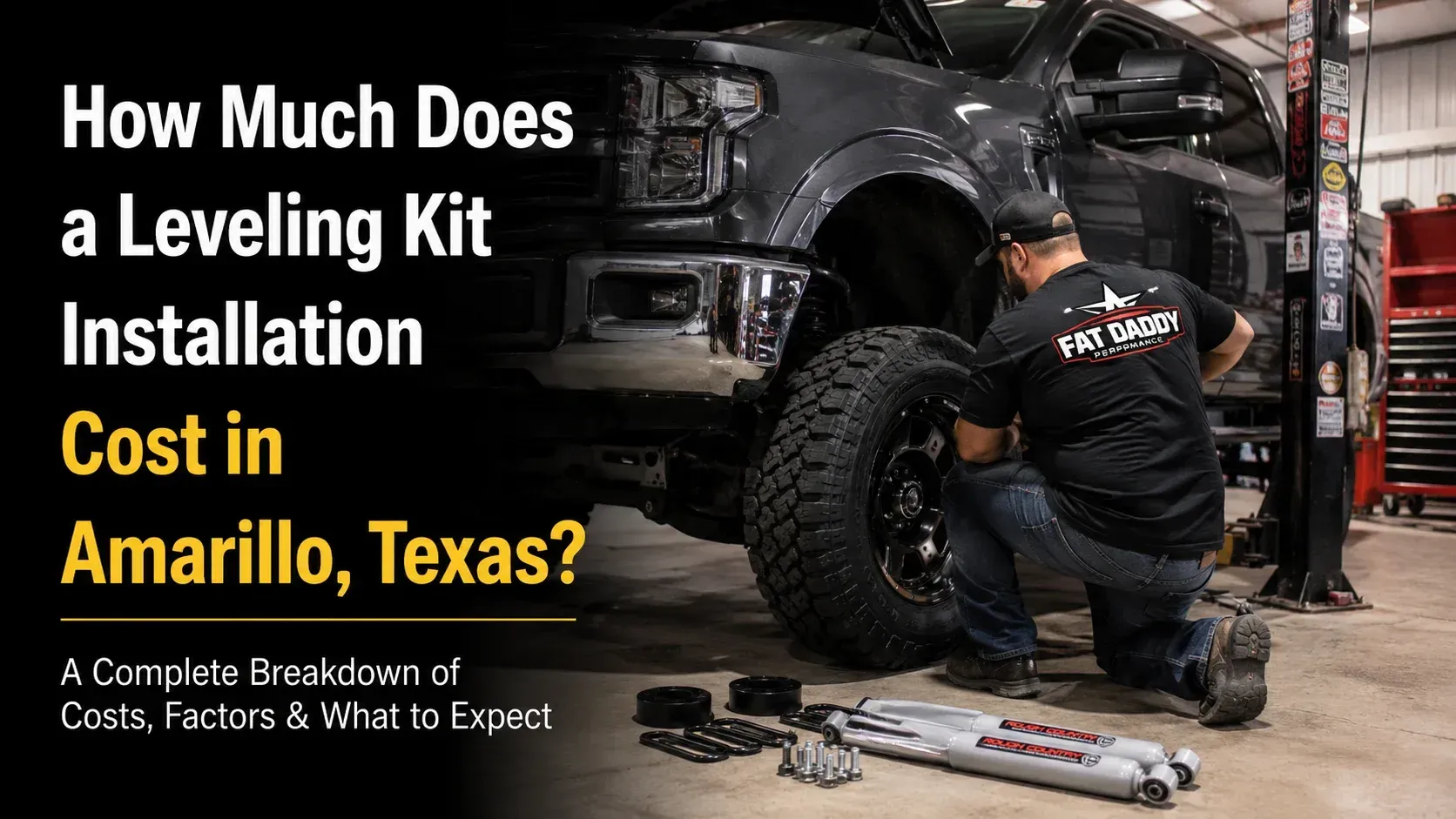
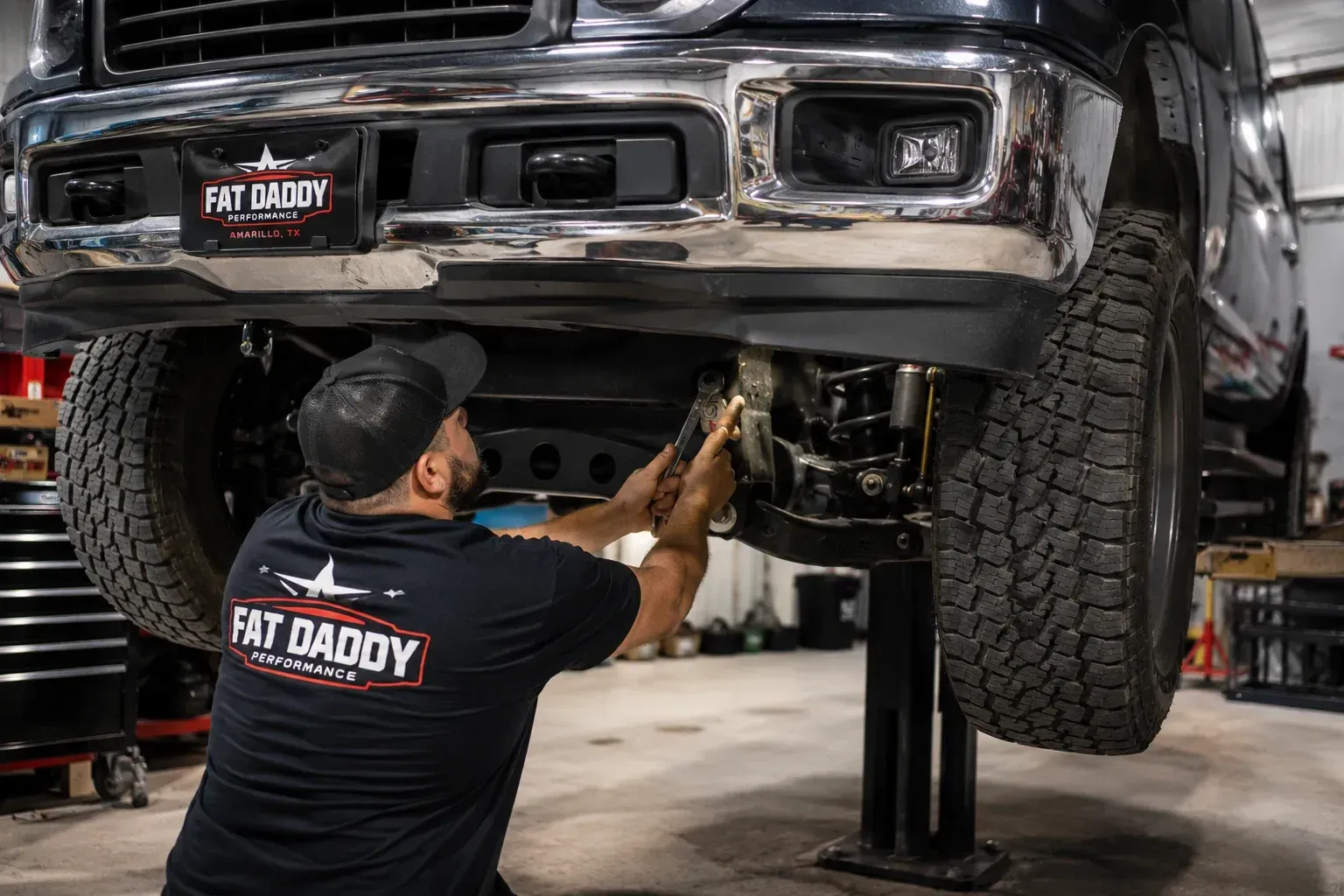
A technician installing a leveling kit on a black truck at Fat Daddy Performance, highlighting professional modifications that prevent issues like: Can a supercharger damage your engine?

The Real Causes of Supercharger-Related Engine Damage

When a supercharged engine fails, the supercharger usually gets the blame while the actual cause hides elsewhere. These are the usual suspects.


A Bad or Missing Tune

The factory calibration was written for a naturally aspirated engine. Bolt on a supercharger without proper engine programming and the fuel and timing maps are wrong for the new airflow. Too little fuel and too much timing under boost is how pistons get holes in them.

A quality tune does the opposite. It adds fuel under boost, pulls timing where heat demands it, and sets safe limits. Kits from reputable manufacturers include calibrations developed for hot-weather operation, and a good shop verifies the tune on your specific vehicle.


Wrong Fuel

Most supercharger kits require 91 or 93 octane. Lower-octane fuel detonates more easily, and hot weather lowers the margin further. Running 87 in a supercharged engine on a 100-degree day is asking for knock.


Inadequate Cooling

An undersized intercooler, a clogged heat exchanger, old coolant, or a weak fan can each let temperatures creep past safe limits. The engine computer will defend itself by cutting power, but repeated hot operation shortens the life of oil, gaskets, and bearings.


An Engine That Was Already Tired

Boost multiplies existing problems. Worn rings, old spark plugs, a marginal fuel pump, or 120,000 hard miles do not disqualify an engine from a supercharger, but they need to be evaluated first. A compression test and health check before supercharger installation is cheap insurance compared to finding a weak cylinder after the fact.


How to Protect a Supercharged Engine in Hot Weather

None of this means Amarillo drivers should skip forced induction. It means the supporting pieces deserve as much attention as the blower itself.

Get the tune right and leave margin. A conservative calibration gives up a few horsepower on paper and gains reliability on the street. Summer is not the time to chase every last number.

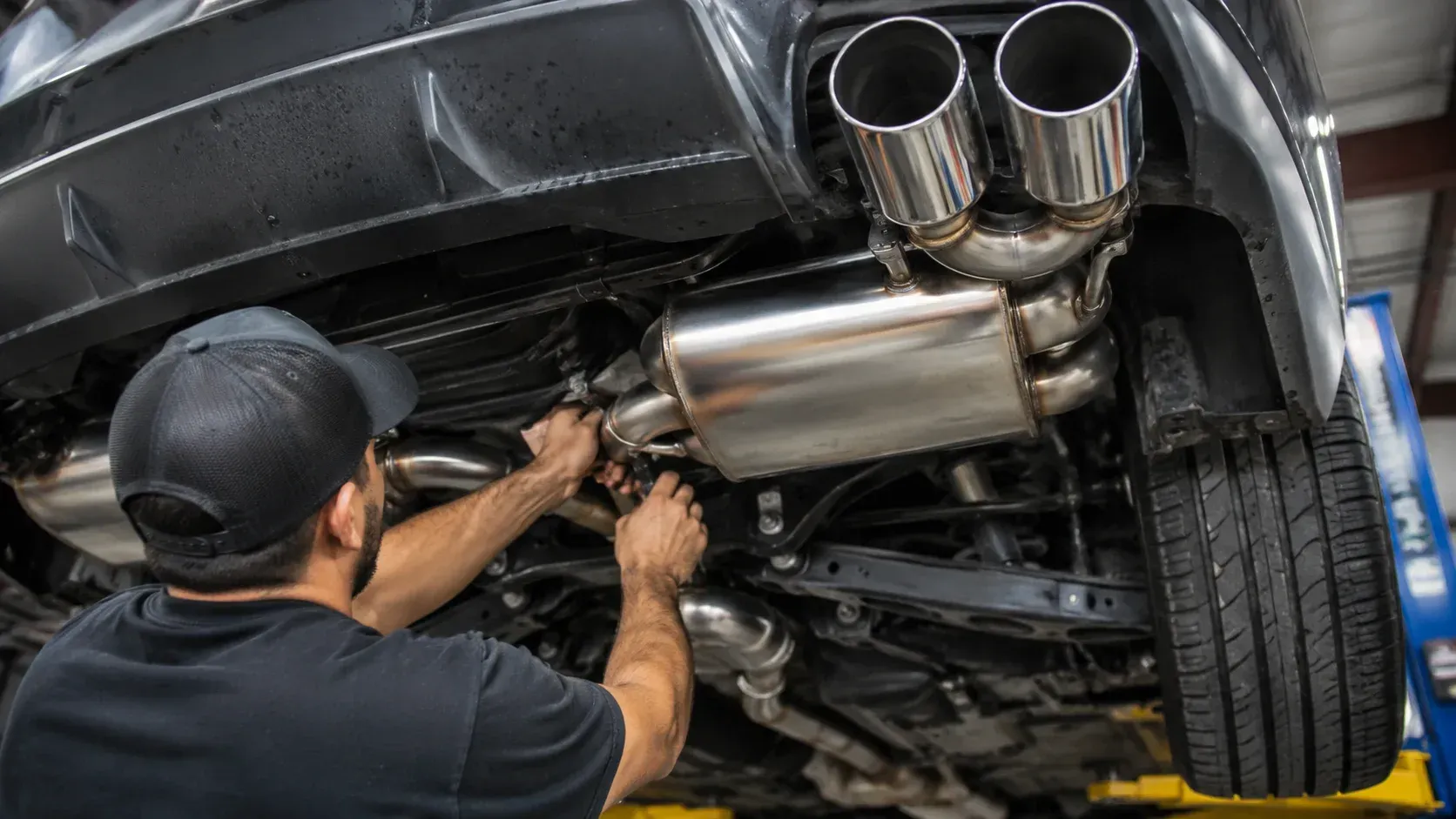
Size the cooling for the climate. Many kits include an intercooler, and some vehicles benefit from a larger heat exchanger, an upgraded radiator, or an auxiliary oil cooler. Free-flowing exhaust upgrades also help the engine shed heat by reducing backpressure.

Stay on top of fluids. Fresh coolant, correct-grade oil changed on schedule, and a healthy thermostat matter more on a supercharged engine. Many owners shorten oil change intervals in summer.

Feed it the right fuel. Premium, every tank, no exceptions. If the tune calls for 93 and a station only has 91, drive gently until the next fill-up.

Watch your gauges. Aftermarket boost and intake air temperature gauges, or an OBD monitor, tell you what the engine is experiencing. Numbers trending up over weeks usually mean something needs attention.

Let it cool down. After a hard run on a hot day, a minute or two of easy driving before shutdown helps oil and coolant carry heat away from the supercharger and turbo-style components.


Signs Your Supercharged Engine Is Running Too Hot

Catch heat problems early and they cost little. Ignore them and they get expensive. Watch for:

  • Coolant temperature climbing above normal in traffic or under load
  • Noticeable power loss on hot afternoons, which often means the computer is pulling timing
  • Pinging or rattling under acceleration, the audible signature of knock
  • A check engine light with knock sensor or lean-condition codes
  • Oil that smells burnt or darkens unusually fast

Any of these on a supercharged vehicle in an Amarillo summer is worth a diagnostic visit sooner rather than later.


Conclusion

A supercharger does not damage engines in hot weather. Bad tuning, hot intake air that the cooling system cannot manage, low-octane fuel, and deferred maintenance damage engines, and summer heat shrinks the margin for all four. Amarillo's climate does not rule out forced induction. It just raises the standard for how the job gets done.

The engines that fail are usually the ones where corners got cut: no tune verification, stock cooling asked to do double duty, or a worn engine boosted without an inspection. The engines that last are the ones where the calibration, cooling, fuel, and maintenance were treated as part of the project instead of afterthoughts. Understanding that difference is most of the decision.


Get Straight Answers Before You Buy

If you are weighing a supercharger and want to know how your specific vehicle would handle Panhandle summers, a conversation with a local shop that does this work is the fastest way to get real answers. Fatdaddy Performance handles vehicle customization in Amarillo and can look at your engine, walk through kit and cooling options, and explain what a proper installation involves for your situation. Call (806) 513-2020 or email sales@fatdaddyperformance.com with questions. No pressure, just information you can decide with.
Frequently Asked Questions

  • Can a supercharger damage your engine if it is installed correctly?

    A correctly installed, correctly tuned supercharger running the required fuel is designed to operate within the engine's limits. Damage risk rises when tuning, cooling, fuel quality, or maintenance fall short, not from the supercharger itself.


  • Is Amarillo too hot for a supercharged car or truck?

    No. Supercharged vehicles run in hotter climates than the Texas Panhandle. Hot weather does demand proper tuning, adequate cooling, and premium fuel, since high intake temperatures narrow the margin against knock.


  • What are the main supercharger engine overheating risks?

    The primary risks are detonation from hot intake air, coolant temperatures exceeding safe limits under load, and accelerated oil breakdown. Each is manageable with correct tuning, a healthy cooling system, and regular fluid service.


  • Do I need premium fuel with a supercharger?

    Almost always, yes. Most kits require 91 or 93 octane because boosted engines are more prone to knock, and hot weather increases that tendency. Check your kit's requirements and follow them.


  • Does a supercharger shorten engine life?

    More cylinder pressure and heat do add stress. On a healthy engine with a proper tune, good cooling, and consistent maintenance, many supercharged engines run for years. Neglect any of those and wear accelerates.


  • Should my engine be inspected before supercharger installation?

    Yes. A compression or leak-down test, plus a check of the fuel system, plugs, and cooling components, shows whether the engine is ready for boost. Fixing weak points first is far cheaper than repairing a failure later.


  • Why does my supercharged truck feel slower on hot days?

    Hot air is less dense, so the engine makes less power to begin with, and the computer often pulls ignition timing to prevent knock as intake temperatures climb. Some summer power loss is normal. A large or sudden drop is worth a diagnostic check.

Recent Posts

installing a truck leveling kit at Fat Daddy Performance.
By Zar Espiritu July 16, 2026
Learn what a leveling kit installation costs in Amarillo, TX, the main factors that change the price, and what to check before leveling your truck or SUV.
Red pickup truck on a blue automotive lift in a workshop.
December 14, 2025
Plan safe Christmas hauls with our expert guide to the best suspension options for towing and cargo. FatDaddy Performance keeps your travels secure.
Bright orange and black Bentley interior with leather seats, steering wheel, and dashboard.
December 14, 2025
Upgrade your ride with comfort-focused customizations for holiday travels. Discover seasonal auto upgrades at FatDaddy Performance in Amarillo, TX.
Black vintage convertible car with the hood open in a garage.
December 14, 2025
Ensure your car or truck is ready for the winter freeze. Follow FatDaddy Performance’s complete checklist for winter vehicle protection in Amarillo, TX.

Share this article

Recent Posts

installing a truck leveling kit at Fat Daddy Performance.
By Zar Espiritu July 16, 2026
Learn what a leveling kit installation costs in Amarillo, TX, the main factors that change the price, and what to check before leveling your truck or SUV.
Red pickup truck on a blue automotive lift in a workshop.
December 14, 2025
Plan safe Christmas hauls with our expert guide to the best suspension options for towing and cargo. FatDaddy Performance keeps your travels secure.
Bright orange and black Bentley interior with leather seats, steering wheel, and dashboard.
December 14, 2025
Upgrade your ride with comfort-focused customizations for holiday travels. Discover seasonal auto upgrades at FatDaddy Performance in Amarillo, TX.
Black vintage convertible car with the hood open in a garage.
December 14, 2025
Ensure your car or truck is ready for the winter freeze. Follow FatDaddy Performance’s complete checklist for winter vehicle protection in Amarillo, TX.
Red vehicle with black spotlight and antenna mounted on the hood.
December 14, 2025
Looking for the perfect gift for truck lovers? Explore FatDaddy Performance’s top truck accessory picks to wow any auto enthusiast this holiday season.
Blue truck with
December 14, 2025
Prepare your vehicle for Thanksgiving road trips with expert tips from FatDaddy Performance. Stay safe and enjoy smooth holiday travel across Texas.
Interior of a tan-leather Porsche SUV with a black dashboard and steering wheel.
December 14, 2025
Maintain your custom leather with our autumn care tips for a stylish, durable ride year-round.
Gray convertible sports car with blue accents, parked in front of a metal building.
December 14, 2025
Understand the value of programming updates for optimal performance and reliability in Amarillo’s climate.
ATV in a dimly lit garage, raised on a jack, with tools and equipment nearby.
December 14, 2025
Explore the best UTV safety accessories for tackling North Texas trails this fall with confidence.
Four new off-road tires stacked, with a black wheel on top. Labeled Method Wheels.
December 14, 2025
Discover the latest wheel styles for autumn and boost your vehicle’s appeal with FatDaddy’s custom options.