Can Cold Panhandle Winter Air Actually Increase Your Supercharged Engine's Horsepower?

October 21, 2026
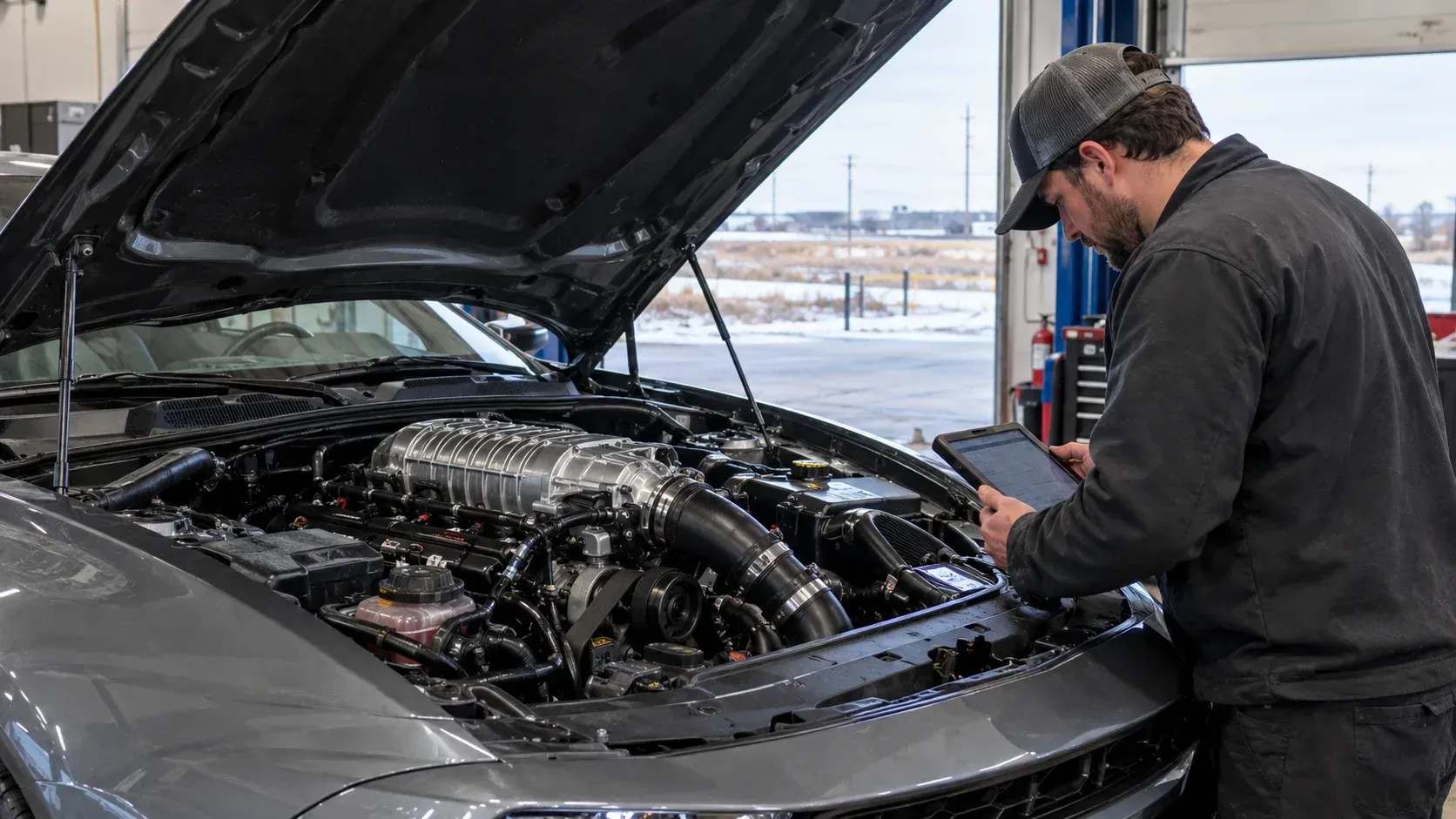
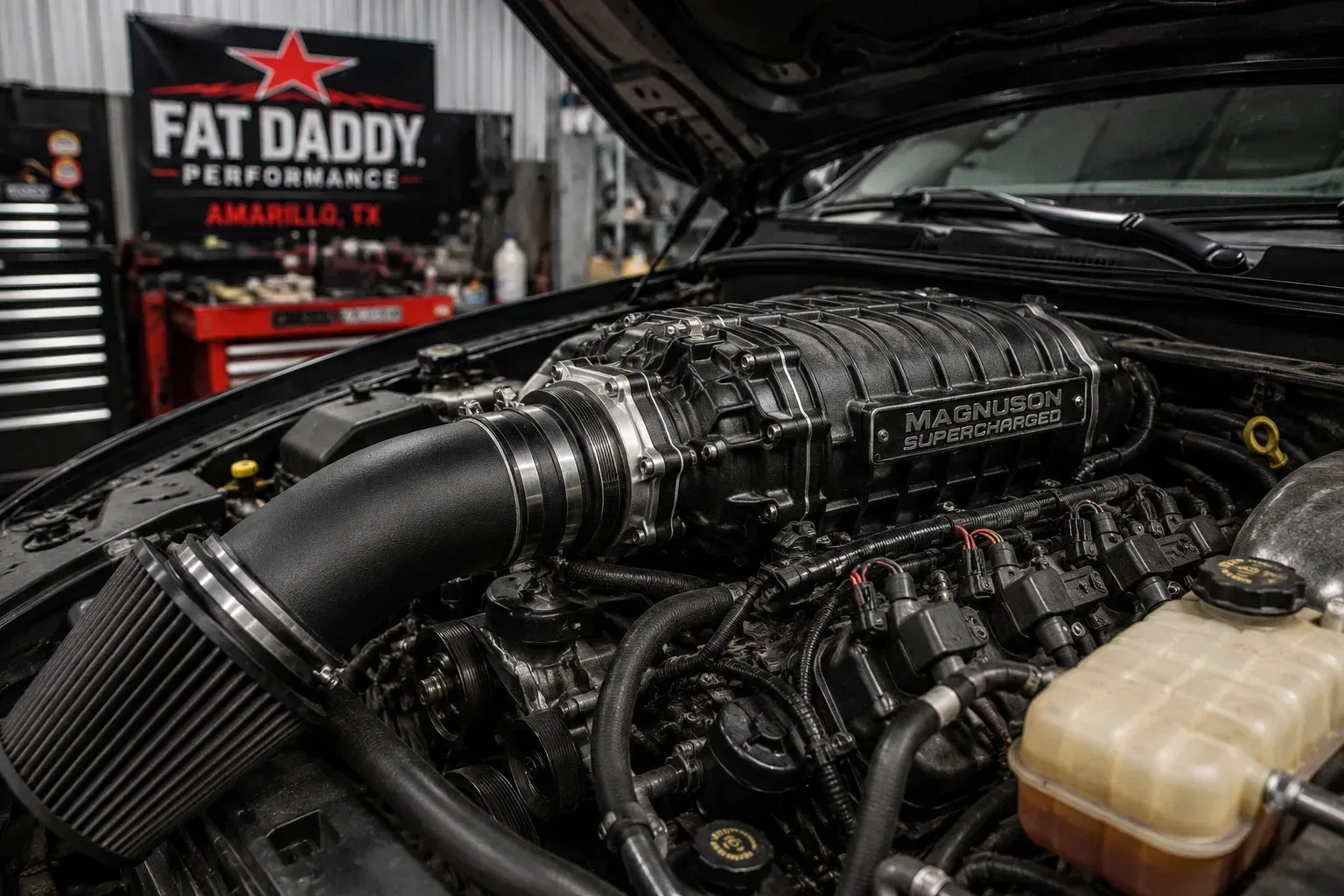
A technician in a cap examining the open engine bay of a supercharged car under the hood, accompanying a blog post about Can Cold Panhandle Winter Air Actually Increase Your Supercharged Engine's Horsepower?

Table of Contents

  1. Introduction
  2. Why Cold Air Makes More Power
  3. How Much Supercharged Engine Horsepower You Actually Gain
  4. Cold Air and Engine Performance Are Not the Same Thing
  5. What Cold Panhandle Mornings Also Do
  6. Supercharged Engine Performance and the Tune
  7. Whether It Is Worth Chasing
  8. Conclusion
  9. Dial In Your Tune for Winter Air
  10. Frequently Asked Questions


Key Takeaways

  • Yes. Cold air is denser than warm air, so more oxygen packs into each cylinder and the engine makes more power.
  • A supercharged engine compounds the effect, because the blower is compressing air that already started colder.
  • The gain is real and modest. You feel it as throttle response far more than you would see it as a number.
  • Cold weather brings its own problems: less tire grip, thicker oil at startup, and condensation.
  • Weather is not a modification. If you want more power on purpose, that comes from the tune and the hardware.

Introduction

Yes. Cold air is denser than warm air, so a supercharged engine pulling in Panhandle winter air produces more horsepower than the same engine makes in August, because more oxygen fits into each cylinder on every intake stroke. The engine computer adds fuel to match the extra oxygen, and more air plus more fuel equals more energy released per combustion event.


That is the whole mechanism, and it is not marketing. What is worth understanding is how much of it you actually get, and what else a cold morning does to a vehicle with a supercharger on it.


Why Cold Air Makes More Power

An engine is an air pump, and power tracks the mass of air it can move, not the volume.


Cold air is denser, meaning a given volume of it contains more oxygen molecules. The cylinder holds the same volume either way, so filling it with cold air puts more oxygen in than filling it with hot air. The computer reads that and meters in more fuel. More fuel burned with more oxygen releases more energy.


On a supercharged engine there is a second effect stacked on the first. The blower compresses incoming air, and compression heats it. Start with colder air and the charge temperature coming out of the blower is lower too, which means the intercooler has less work to do and the air reaching the cylinders is cooler than it would be on the same boost in summer.


Density also depends on more than temperature. Barometric pressure and humidity both move the number, and the Panhandle sits high enough that the air is thinner here year-round than it would be at sea level. Cold weather partly offsets that altitude penalty, which is one reason winter feels better here than the temperature alone explains.


How Much Supercharged Engine Horsepower You Actually Gain

Enough to feel, not enough to change the character of the vehicle. That is the honest answer, and it is where most articles on this topic overpromise.


A few things are true at once:

  • The gain is real and it is physics rather than placebo
  • It is modest compared with any actual hardware or calibration change
  • You feel it as throttle response and crispness more than as raw speed
  • It varies day to day with temperature, pressure, and humidity
  • Nobody knows their exact number without measuring it


We are not going to put a percentage or a horsepower figure on it. Published rules of thumb exist, they vary by source, and the number for your specific engine depends on your boost level, your intercooler, your fuel, and your calibration. A figure in an article would be a guess wearing a decimal point.


Cold Air and Engine Performance Are Not the Same Thing

More power at the crank does not automatically mean a faster, better-driving vehicle in January. Several things work against you on the same cold morning.

Cold weather effect What it does
Denser intake air Rubber grips poorly until it warms, so power goes to wheelspin
Thicker cold oil Higher drag until the engine reaches temperature
Cold transmission fluid Shifts feel different until it warms through
Cold, damp belt A supercharger drive belt can slip when wet and cold
Moisture in the intake and oil Condensation that short trips never boil off

Put those together and the net effect on a cold morning can be a vehicle that makes more power and uses less of it. Traction is usually the limiting factor long before airflow is.


This is also why the first few minutes matter. Letting the engine reach operating temperature before asking for boost is good practice in any season and more so in winter.


What Cold Panhandle Mornings Also Do

Winter here is hard on a few specific things, and a supercharged vehicle feels some of them more than a stock one.


Worth keeping an eye on:

  • Battery load. Cold cuts available cranking power at the same time thicker oil raises what starting demands.
  • Belt condition. A glazed or worn supercharger belt that was fine in September can start slipping on a wet, freezing morning.
  • Coolant and intercooler fluid. Freeze protection matters, and air-to-water systems have their own circuit to check.
  • Condensation. Short winter trips let water accumulate in the oil and the intake tract instead of evaporating off.
  • Tire pressure. Pressure drops with temperature, and underinflated tires change handling before they look low.


None of these are emergencies. They are the reason a quick check before the first real cold snap is cheaper than the alternative.


Supercharged Engine Performance and the Tune

The calibration decides how much of the cold air you actually use, and that is the part under your control.


A stock or conservative tune adapts within its own limits. It reads the air coming in, trims fuel to match, and pulls or adds timing based on what the knock sensors hear. So an untuned supercharged engine does capture some of the winter benefit automatically, without anybody touching anything.


A calibration built with cooler intake temperatures in mind can use more of it, because lower charge temperatures give a tuner more room to work with on timing before detonation becomes the limit. That is a tuning decision, made deliberately, not something weather does on its own.


Two things worth saying plainly. First, more aggressive does not mean better, and a calibration that only works in January is a calibration that bites in July. Second, if your supercharger was installed without a proper tune, cold weather is not the fix for that, and the risks of running boost on a bad tune are covered separately in whether a supercharger can damage your engine in Amarillo heat.


We handle ECU programming and engine work alongside supercharger installs, which is the only reason any of this is worth discussing as a decision rather than a trivia question.


Whether It Is Worth Chasing

Chasing winter air as a performance strategy is not worth much. Understanding it is. Nobody has ever solved a supercharged engine horsepower problem with a calendar.


Where it genuinely matters:

  • You are comparing two drives and wondering why the car felt different
  • You are evaluating a modification and want to know whether the weather is flattering the result
  • You are deciding when to have a calibration done, and consistent cool weather makes a reasonable baseline
  • You are towing or hauling and want to know what the engine has available


Where it does not matter: as a reason to do anything. Nobody should buy or modify anything because December exists. If the vehicle does not make the power you want, the answer is hardware and calibration, which work in every month.


Conclusion

Cold air really does make more horsepower, and the reason is simple enough to check: denser air means more oxygen per stroke, and a supercharged engine gets the benefit twice because the blower starts with colder air to compress. The size of that gain is modest, it hides behind cold tires and thick oil on the same morning, and how much of it reaches the pavement depends on the calibration. Enjoy the way the truck feels in January. Just do not mistake the weather for an upgrade.


Dial In Your Tune for Winter Air

If you are running boost and want to know what your calibration is actually doing with cooler intake temperatures, bring it by and let us look. FatDaddy Performance handles supercharger installation, performance tuning, and engine programming in-house at 7910 West McCormick Road, Amarillo. Call (806) 513-2020, Monday through Friday, or tell us what you are running and what you want out of it  for a personalized estimate.

Frequently Asked Questions

  • Does cold weather increase horsepower?

    Yes. Cold air is denser, so more oxygen fits into each cylinder and the engine releases more energy per combustion event. The effect is real and modest, and it is usually felt as sharper throttle response rather than seen as a dramatic change in speed.

  • Why does my supercharged truck feel faster in winter?

    Denser intake air, plus lower charge temperatures coming out of the blower, which means the intercooler has less heat to remove. Engine computers also tend to run less conservative timing when intake temperatures are low and the knock sensors stay quiet.

  • Do I need a different tune for winter?

    Not usually. A sound calibration handles seasonal swings within its own limits. A tune built specifically around cold intake temperatures can use more of the benefit, but one that only behaves in January becomes a liability in a Texas summer.

  • Does cold air make a supercharger more efficient?

    It helps. Compression raises air temperature regardless, but starting with cooler air means the post-compression charge is cooler too, so the intercooler has an easier job and the air reaching the cylinders is denser.

  • Is there any downside to driving a supercharged engine in the cold?

    A few. Cold tires grip poorly, oil is thicker until the engine warms, supercharger belts can slip when cold and wet, and short trips let condensation build in the oil and intake. Let it reach temperature before asking for boost.

Recent Posts

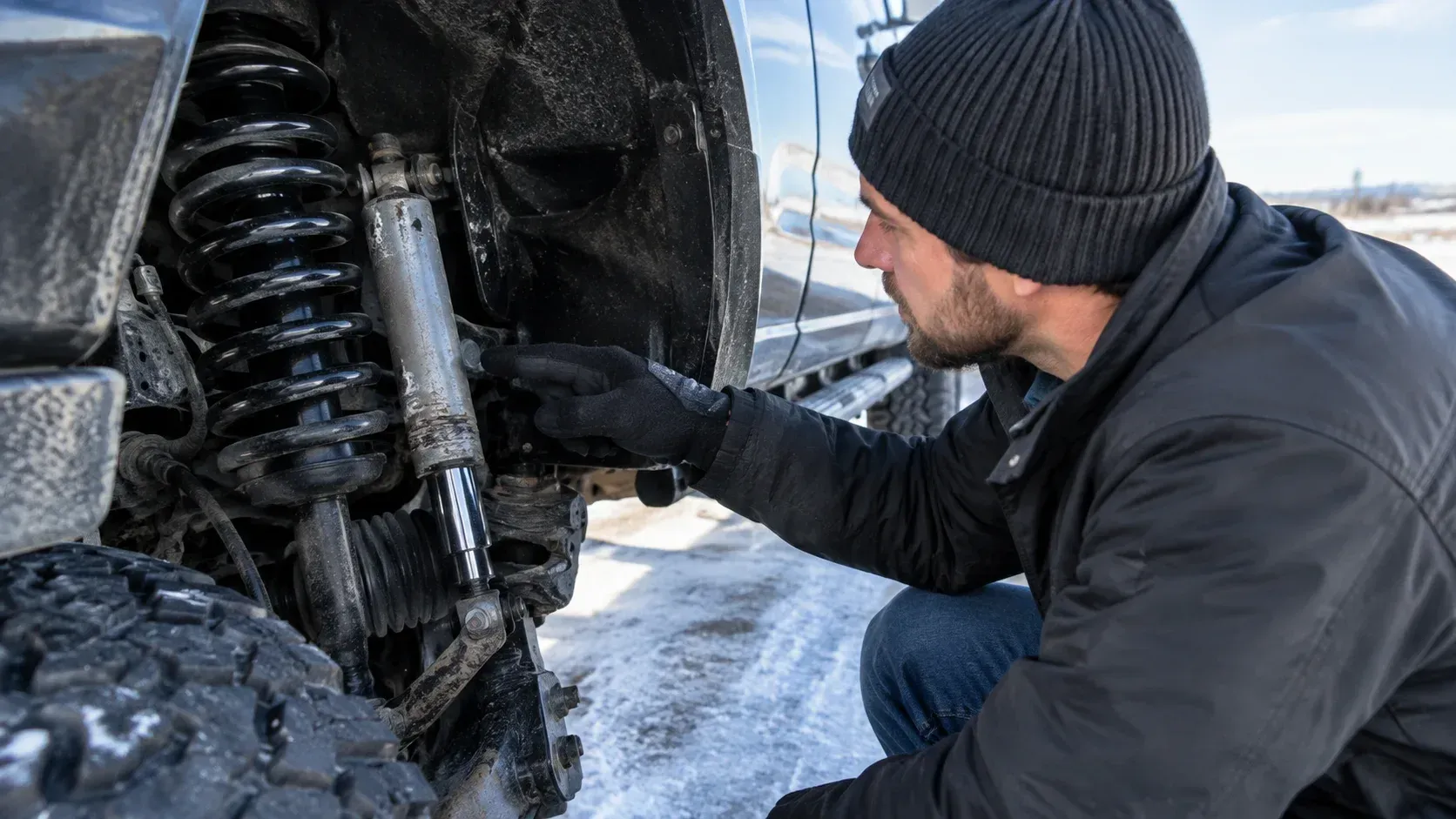
Technician checking worn suspension parts and coil springs in an automotive service center.
October 21, 2026
Learn the signs of worn out shocks before they fail completely, from excess bouncing and nose dive under braking to cupped tire wear and visible fluid leaks.
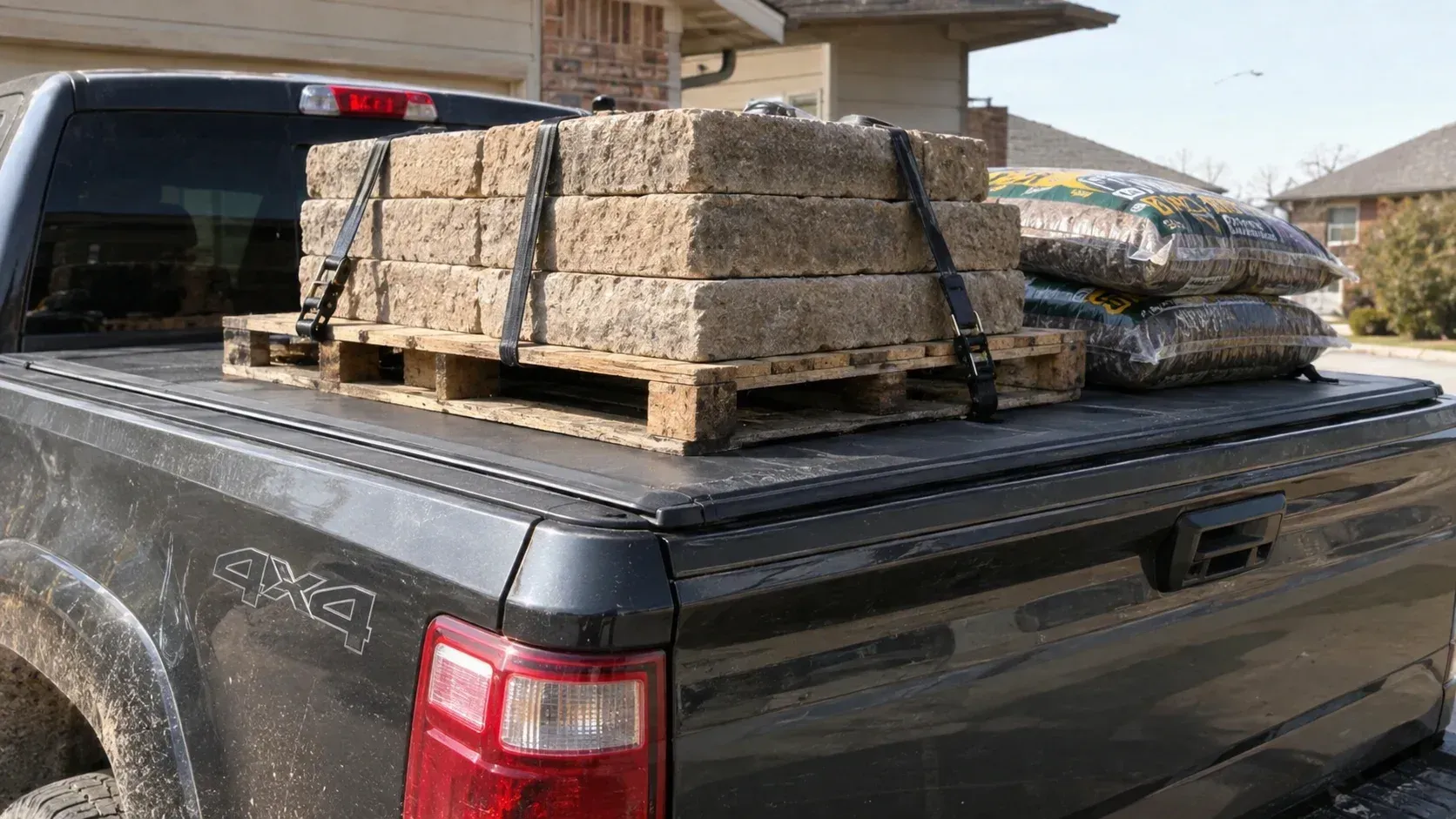
Heavy cargo load showing what happens if you overload your truck bed cover's weight rating.
September 18, 2026
Learn what happens when you exceed a truck bed cover's weight rating, why distributed and point loads differ, and how to load one safely without any damage.
Lifted pickup on a paved road; why does my lifted truck pull to one side on rural panhandle roads?
September 18, 2026
Learn why a lifted truck pulls to one side on rural Panhandle roads, from alignment and tire issues to road crown, and how to tell the real causes apart fast.
Mechanic installs piping to show how much does a custom exhaust system cost.
By Zar Espiritu • August 13, 2026
Learn what a custom exhaust system costs in Amarillo, TX, the main factors that change the price, and how to pick the right setup for your truck or car today.
Share this article

Recent Posts

Technician checking worn suspension parts and coil springs in an automotive service center.
October 21, 2026
Learn the signs of worn out shocks before they fail completely, from excess bouncing and nose dive under braking to cupped tire wear and visible fluid leaks.
Heavy cargo load showing what happens if you overload your truck bed cover's weight rating.
September 18, 2026
Learn what happens when you exceed a truck bed cover's weight rating, why distributed and point loads differ, and how to load one safely without any damage.
Lifted pickup on a paved road; why does my lifted truck pull to one side on rural panhandle roads?
September 18, 2026
Learn why a lifted truck pulls to one side on rural Panhandle roads, from alignment and tire issues to road crown, and how to tell the real causes apart fast.
Mechanic installs piping to show how much does a custom exhaust system cost.
By Zar Espiritu • August 13, 2026
Learn what a custom exhaust system costs in Amarillo, TX, the main factors that change the price, and how to pick the right setup for your truck or car today.
Black truck on dirt trail: what wheel size is best for off-roading trucks?
August 13, 2026
Learn what wheel size works best for off-roading trucks in Amarillo, TX, how sidewall, terrain, and clearance factor in, and how to choose the right setup.
Custom truck suspension modifications, resolving: can a supercharger damage your engine?
July 16, 2026
Learn whether a supercharger can damage your engine in Amarillo's summer heat, what actually causes failures, and how proper tuning and cooling reduce risks.
installing a truck leveling kit at Fat Daddy Performance.
July 16, 2026
Learn what a leveling kit installation costs in Amarillo, TX, the main factors that change the price, and what to check before leveling your truck or SUV.
Red pickup truck on a blue automotive lift in a workshop.
December 14, 2025
Plan safe Christmas hauls with our expert guide to the best suspension options for towing and cargo. FatDaddy Performance keeps your travels secure.
Bright orange and black Bentley interior with leather seats, steering wheel, and dashboard.
December 14, 2025
Upgrade your ride with comfort-focused customizations for holiday travels. Discover seasonal auto upgrades at FatDaddy Performance in Amarillo, TX.
Black vintage convertible car with the hood open in a garage.
December 14, 2025
Ensure your car or truck is ready for the winter freeze. Follow FatDaddy Performance’s complete checklist for winter vehicle protection in Amarillo, TX.