Table of Contents
- The Short Answer: What You Can Expect to Pay
- What Counts as a Custom Exhaust
- The Factors That Change the Price
- Exhaust Materials and Why They Matter
- Benefits Owners Are Actually Paying For
- What to Think About Before You Commit
- Conclusion
- Talk It Through Before You Decide
- Frequently Asked Questions
Key Takeaways
- A custom exhaust system in Amarillo usually runs $500 to $2,500 installed, with most cars and trucks landing somewhere in the middle.
- Parts are the bigger variable. A basic cat-back kit starts around $300, while mandrel-bent stainless or full custom fabrication climbs much higher.
- Material choice drives both price and lifespan. Aluminized steel is cheaper, stainless resists rust and lasts longer in Panhandle weather.
- Labor depends on the vehicle and the work. Bolt-on kits install fast, while true custom bends and welds take more shop time.
- Diesel systems, dual exhaust conversions, and high-flow designs cost more than a simple single-pipe muffler swap.
Introduction
A custom exhaust system in Amarillo, Texas typically costs between $500 and $2,500 installed. Where you land in that range depends on your vehicle, the material, how much of the system you replace, and whether you buy a bolt-on kit or have a shop that offers
exhaust service
build one from raw tubing.
That is a wide spread, and there is a reason for it. "Custom exhaust" covers everything from a simple muffler and tip swap to a fully fabricated stainless system bent to fit one specific truck. If you drive around the Texas Panhandle and you are thinking about changing how your vehicle sounds, breathes, or looks from behind, knowing what moves the price helps you set a realistic budget and ask a shop the right questions.
This guide breaks down each cost factor, explains the material choices, and covers what to weigh before you spend the money.
What Counts as a Custom Exhaust
The word "custom" gets used loosely. It helps to know the tiers, because each one costs differently.
Bolt-on kits. Prebuilt systems, often called cat-back or axle-back, designed for a specific make and model. They install with clamps or a few welds and are the most affordable path.
Semi-custom builds. A shop combines off-the-shelf parts with some cut-and-weld work to fit your goals, like adding a section of pipe or swapping a muffler into a different setup.
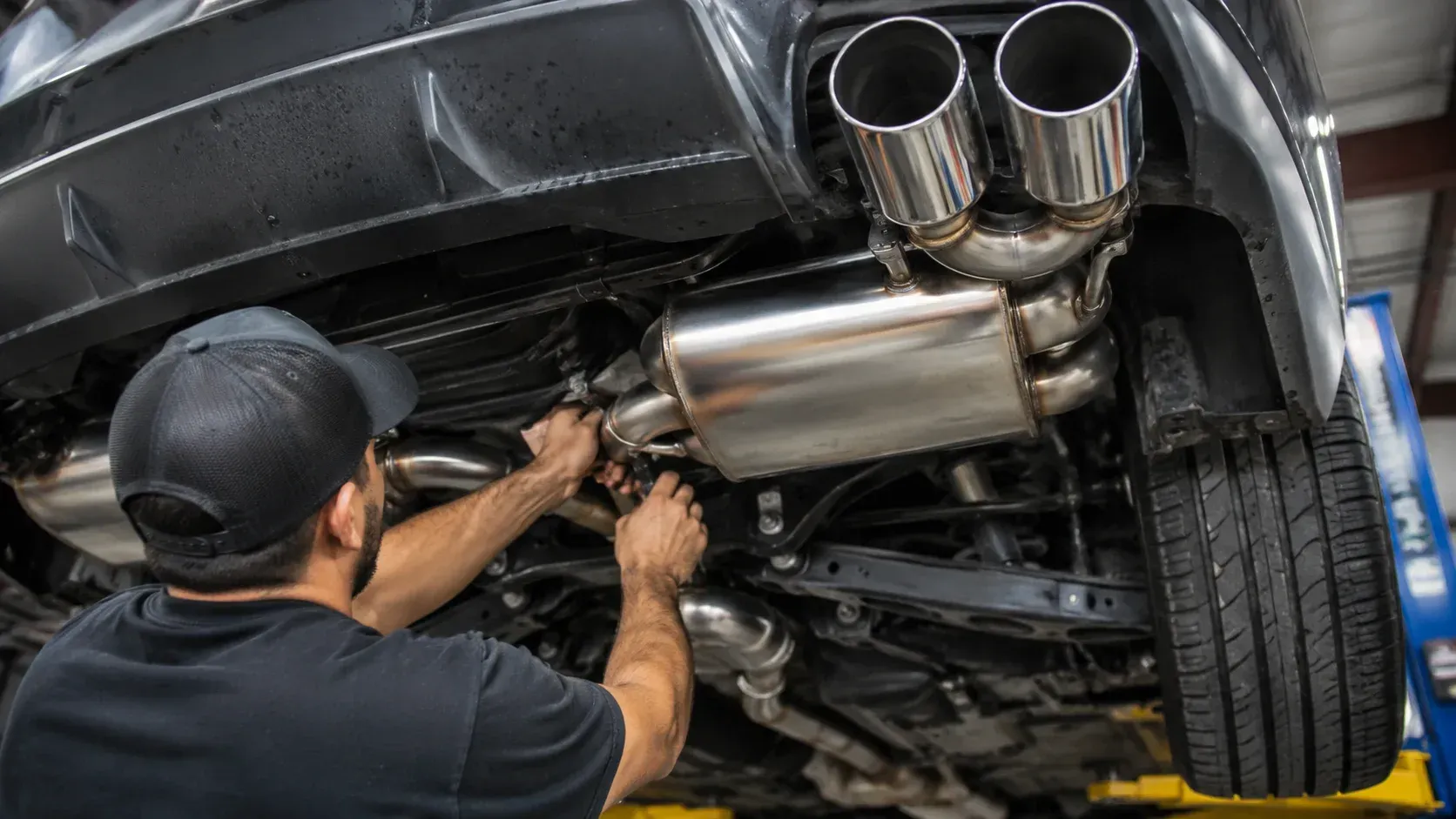
Full custom fabrication. A technician bends tubing, positions the muffler and tips, and welds the whole system to fit your exact vehicle. This is the most involved and the most expensive.
The Factors That Change the Price
Your Vehicle Type
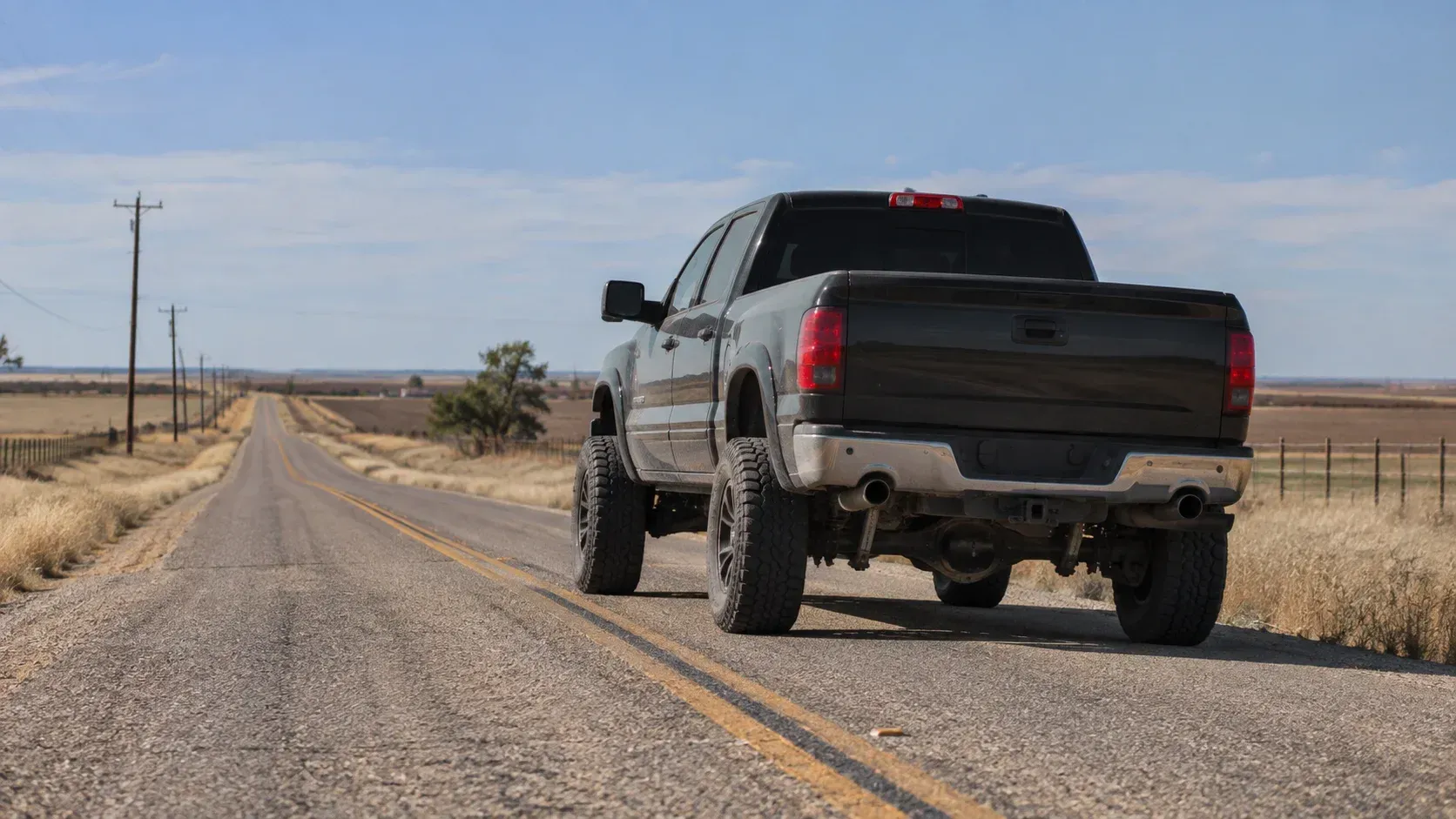
A four-cylinder car with a single exhaust is a smaller job than a diesel truck with large-diameter pipe and dual outlets. Bigger tubing, more of it, and tighter routing around a truck frame all add material and labor.
Diesel trucks in particular often use 4 or 5 inch pipe, which costs more per foot and takes more time to bend and hang than the 2.5 inch tubing common on a car.
How Much of the System You Replace
Replacing just the muffler and tip is cheap. Replacing everything from the catalytic converter or headers back is not. The more sections you swap, the more parts and labor the quote includes.
Bolt-On Versus Fabricated
A bolt-on kit priced online might look like the whole cost, but it still needs installing. A fabricated system has no kit price at all. You pay for the technician's time on the bender and welder, which is where skilled labor adds up.
Extra Components
High-flow catalytic converters, resonators, electronic cutouts, and premium tips are all add-ons. Each one you choose pushes the total up. An electronic cutout alone can add several hundred dollars in parts.
Exhaust Materials and Why They Matter
Material is one of the biggest decisions, and it affects both the price today and how long the system lasts.
Aluminized steel is the budget option. It resists rust for a while but eventually corrodes, especially where road salt and moisture reach it. Fine for a shorter-term build or a tighter budget.
Stainless steel costs more upfront and resists rust far better. In a climate with winter road treatment and temperature swings like the Panhandle, stainless tends to hold up longer, which many owners feel is worth the difference.
Titanium is the premium tier, light and strong, and priced accordingly. It is uncommon outside high-end performance builds.
There is no single right answer. It comes down to your budget and how long you plan to keep the vehicle.
Benefits Owners Are Actually Paying For
People invest in a custom exhaust for a few practical reasons, and it helps to be clear about which ones matter to you.
Sound. This is the most common driver. A custom system can change the tone, from a deep rumble to a sharper note, depending on the muffler and design.
Airflow. A less restrictive path can help the engine breathe, which is one reason exhaust work often pairs with
motor services
like tuning to get the fuel and timing dialed in for the new setup.
Durability. Replacing a rusted-out factory system with quality stainless can outlast the original by years.
Appearance. Custom tips and outlet placement change how the vehicle looks from the rear.
It is worth being honest about limits. On a stock engine, an exhaust change on its own usually produces modest power gains, not dramatic ones. The sound and longevity are often the real value.
What to Think About Before You Commit
A few things worth settling before you book anything.
What is your main goal? Sound, power, looks, or rust replacement point to different builds and budgets. Knowing your priority keeps you from overspending on parts you do not need. For those chasing bigger power, exhaust is usually one piece of a larger plan that a
performance shop
can map out.
Is it street legal? Removing a catalytic converter is illegal for street-driven vehicles under federal law, and excessively loud systems can draw tickets. A reputable shop will keep your build compliant.
Do you need a tune? On some vehicles, a major exhaust change benefits from a computer recalibration. Ask whether yours is one of them so it is in the budget from the start.
Warranty and quality of work. Weld quality and proper hanging affect how long the system lasts and whether it rattles. Ask what warranty the shop offers on parts and labor.
Conclusion
A custom exhaust system in Amarillo generally costs $500 to $2,500 installed, driven by your vehicle, the material you pick, how much of the system you replace, and whether it is a bolt-on kit or fully fabricated. Parts and labor both move the number, and the cheapest option is not always the best value once you factor in how long it will last.
The most accurate figure comes from a quote for your specific vehicle and your specific goal. A muffler swap and a full stainless fabrication are very different projects, and pricing them together only leads to confusion. Getting clear on what you actually want first is most of the decision.
Talk It Through Before You Decide
If you are still weighing your options and want to know what a build would cost for your exact vehicle, a short conversation with a local shop clears up most of the questions in this guide. Fatdaddy Performance handles
vehicle customization
in Amarillo and can look at your car or truck, talk through material and design choices, and give you a straightforward quote. Call (806) 513-2020 or email sales@fatdaddyperformance.com if it helps to talk it through. No pressure, just clear information.