Signs Your Shocks Are Worn Out Before They Fail Completely

October 21, 2026
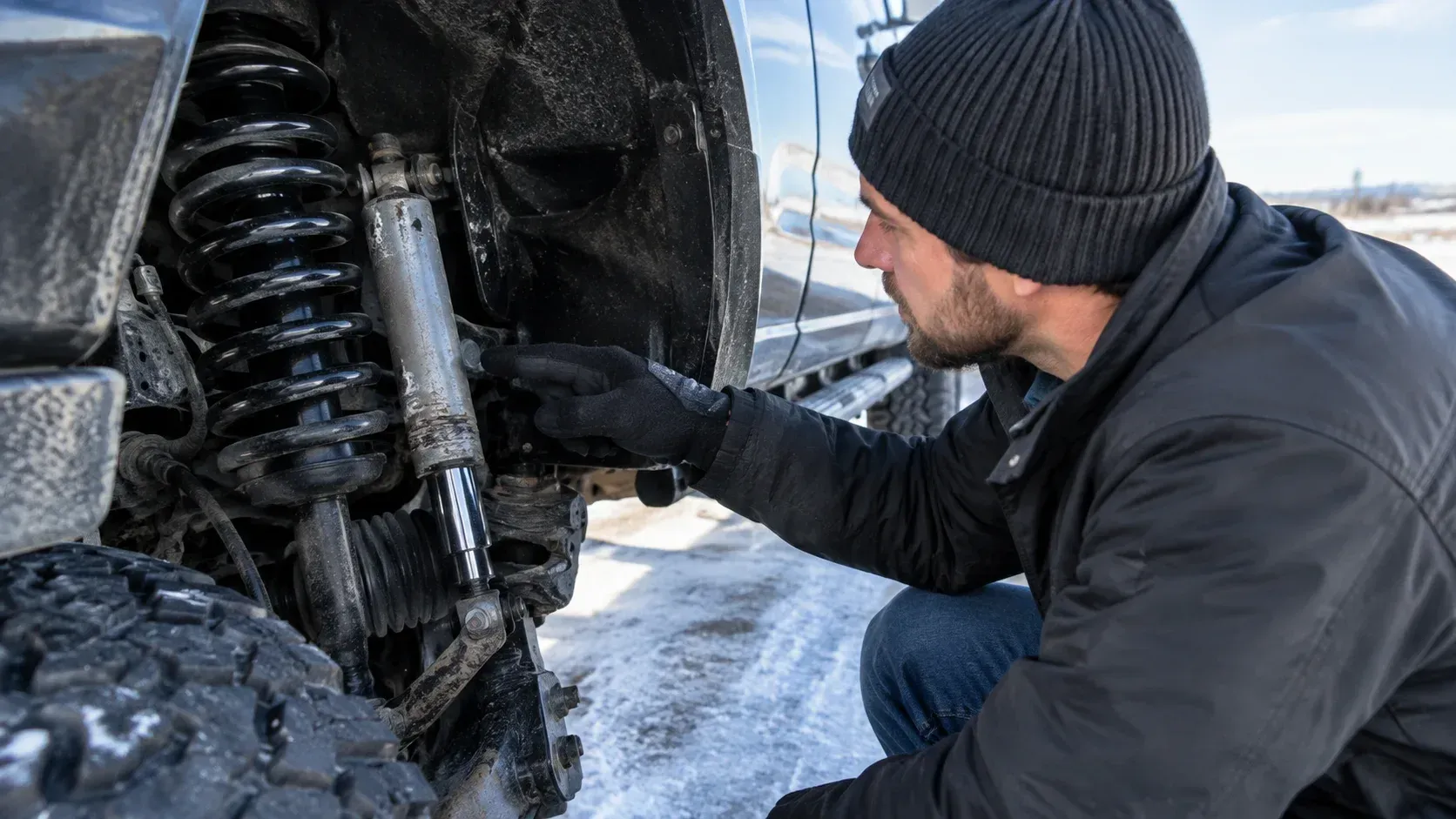
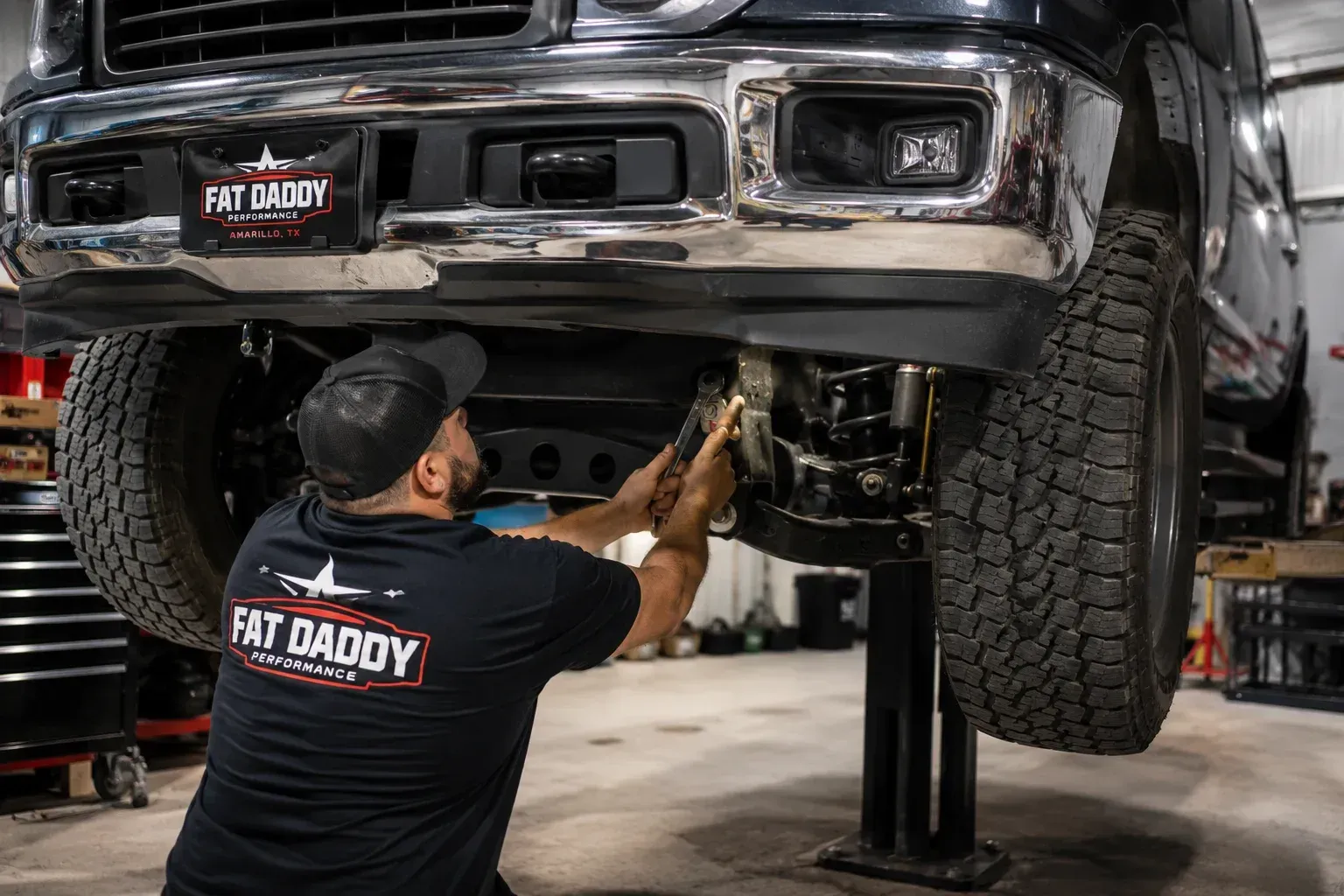
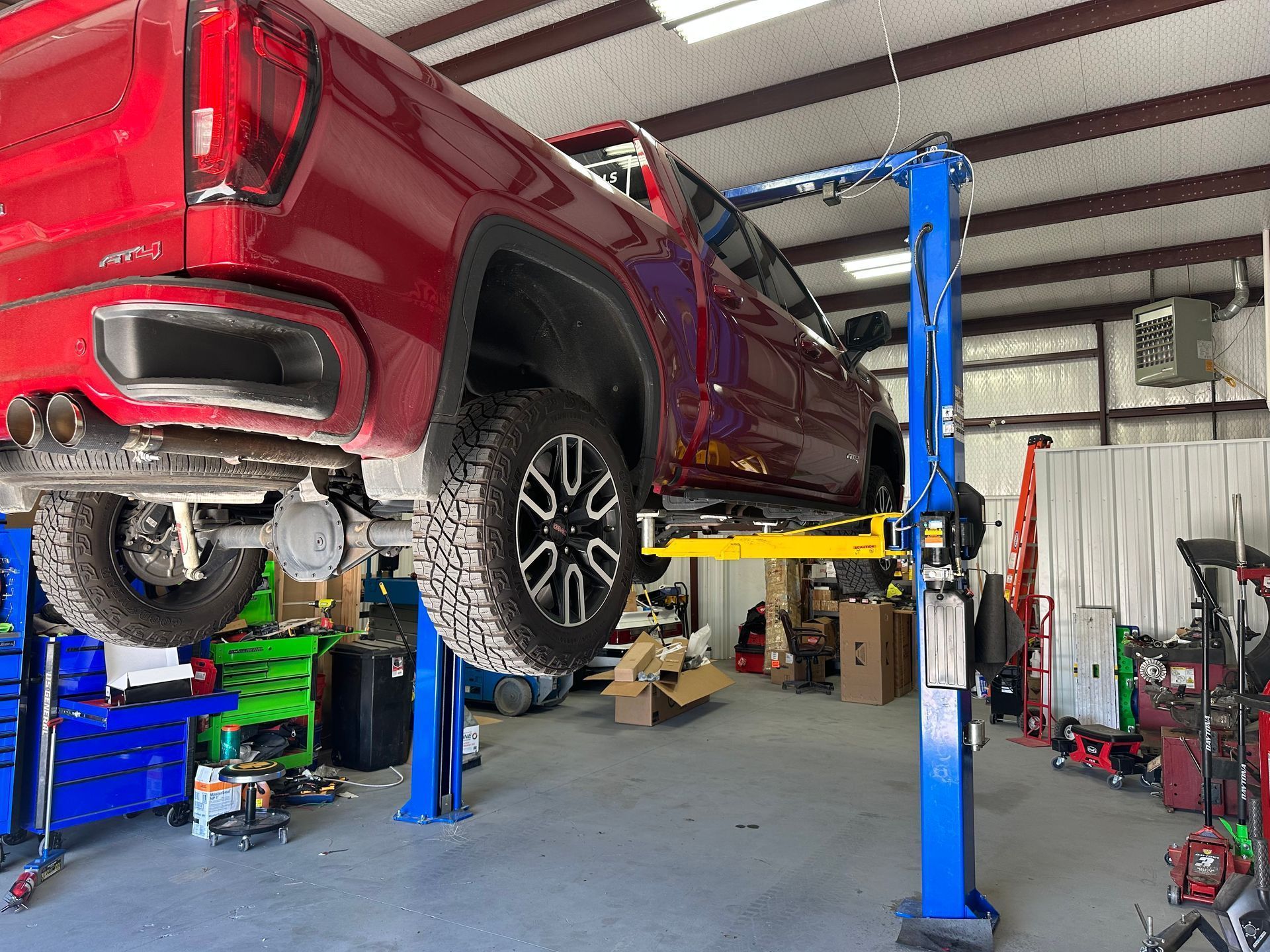
A technician inspecting a car's suspension and coil spring in a repair shop, illustrating the topic: How Do You Know If Your Shocks Are Worn Out Before They Fail Completely?

Table of Contents

  1. Introduction
  2. The Signs of Worn Out Shocks
  3. Signs of Bad Shocks You Can Check Yourself
  4. What the Bounce Test Actually Tells You
  5. Shock Absorber Problems That Show Up in Your Tires
  6. Why Lifted Trucks Wear Shocks Differently
  7. When to Replace Rather Than Wait
  8. Conclusion
  9. Schedule a Shock and Strut Inspection
  10. Frequently Asked Questions


Key Takeaways

  • Worn out shocks usually show up as excessive bouncing after a bump, nose dive under braking, uneven tire wear, and oil on the shock body.
  • Shocks fail gradually, which is why most people adapt to the decline instead of noticing it.
  • Visible oil on the shock body is the one definitive sign. A dry shock is not proof that it is healthy.
  • Cupped or scalloped tire wear is the symptom that costs the most, because it ruins tires as well as ride quality.
  • A lift changes what the shocks are asked to do, and factory-length shocks after a lift wear faster.

Introduction

Worn out shocks typically show up as excessive bouncing after a bump, the nose diving under braking, uneven or cupped tire wear, and visible oil leaking down the shock body. Any one of those before a long winter drive is reason enough to have the suspension looked at.


The reason people miss all four is that shocks do not fail on a particular Tuesday. They fade over tens of thousands of miles, and a driver adapts to the decline a little at a time until a rental car feels strangely planted by comparison. That slow fade is exactly why suspension work gets deferred longer than almost anything else on a truck.

The Signs of Worn Out Shocks

A shock's job is damping, which means controlling how fast the spring is allowed to move. When damping fades, the spring starts winning.


What that looks like from the driver's seat:

  • Bouncing. The body keeps oscillating after a bump instead of settling in one motion.
  • Nose dive under braking. The front end pitches down harder and further than it used to.
  • Rear squat under acceleration. The same problem at the other end of the truck.
  • Body roll in corners. The vehicle leans more and takes longer to settle after it leans.
  • Wandering in crosswinds. On open Panhandle highway this one is unmistakable once you know to feel for it.
  • Clunking over bumps. Often a worn mount or bushing rather than the shock itself, and worth checking either way.
  • A floaty feeling over dips at highway speed, as though the truck is a beat behind the road.


Any one of those is worth a look. Two or more together is a pattern rather than a bad road.


Signs of Bad Shocks You Can Check Yourself

Look at the shock bodies, and look at the tires. Both take five minutes in a driveway.


What to check:

  1. Oil on the shock body. A wet, grimy streak running down from the seal means the shock is leaking its damping fluid. That is the one unambiguous sign.
  2. Dirt patterns. A shock that is weeping collects dust where a dry one stays relatively clean.
  3. Dents or bent shafts. Especially on a truck that sees ranch roads or caliche.
  4. Mounts and bushings. Cracked, split, or missing rubber at either end.
  5. Ride height differences side to side, which point at springs more than shocks but belong in the same inspection.
  6. Tire tread surfaces, run your hand across them, which the next section covers.


Being straight about the limits here: a dry shock is not proof of a healthy shock. Gas-charged shocks commonly lose damping performance long before they ever leak, so a clean body tells you only that it has not leaked yet. Symptoms you feel matter more than symptoms you can see.


What the Bounce Test Actually Tells You

Push down hard on one corner, let go, and count the rebounds. If the body keeps moving after the first rebound, damping is weak. That is the classic test and it is genuinely useful, with caveats.


What it catches: badly worn shocks on lighter vehicles, especially at the front.


What it misses: quite a lot.

  • Heavy trucks are hard to load enough by hand to get a meaningful result
  • Gas pressure in a modern shock resists the push, which can make a weak shock feel firm
  • Stiff aftermarket springs mask the shock's contribution
  • A shock that is partly worn passes the test and still drives badly


So treat a failed bounce test as confirmation and a passed one as inconclusive. The driving symptoms are the better evidence, and a shop can load the suspension properly rather than leaning on a fender.


Shock Absorber Problems That Show Up in Your Tires

Cupped or scalloped tread wear is the expensive symptom, and it is the one most drivers never connect to the suspension.


When damping fades, the tire is allowed to bounce slightly as it rolls. Loading and unloading in that rhythm scrubs the tread unevenly, leaving dips at regular intervals around the circumference. You can often feel it by hand before you can see it, as a washboard texture across the tread face.


Why it matters more than ride comfort:

  • Cupped tires are ruined tires, and no rotation fixes the pattern
  • The noise and vibration from cupping is often misdiagnosed as a wheel balance problem
  • Replacing tires without replacing the shocks means the new set cups too
  • On a set of larger aftermarket wheels and tires, that is a serious bill to pay twice


If a tire shop points out cupping, the shocks are part of that conversation. Fresh rubber on dead shocks is money spent on the symptom.


Why Lifted Trucks Wear Shocks Differently

A lift changes the geometry the shocks were built around, and shocks that were correct from the factory are usually not correct afterward.


What changes:
After a lift Effect on the shocks
Suspension sits lower in its travel at rest Less available droop, more frequent topping out
Factory-length shocks are now too short Shock becomes the limiting component at full extension
Heavier wheels and tires More unsprung mass for the shock to control
Higher center of gravity More body roll for the damping to manage
More off-pavement use Heat and contamination the shock was not designed for

This is why matching shock length and valving to the lift matters as much as the lift itself. Our own FAQ puts it in the same terms, noting that the right choice "depends on the lift system and vehicle" and that suspension components should be selected together rather than one at a time.


It is also why a lifted truck that handles strangely is worth diagnosing rather than guessing at, which is the same reasoning behind why a lifted truck pulls to one side.


When to Replace Rather Than Wait

Replace when the symptoms are consistent, not when a mileage number says so.


Worth doing sooner rather than later if:

  • A shock is visibly leaking
  • Tires are cupping
  • The truck wanders enough on open highway that you are correcting constantly
  • You are about to tow, haul, or drive a long winter trip
  • You are putting new tires on, since that is the cheapest time to do both
  • A lift went on with the factory shocks still in place


Two practical notes. Replace in pairs across an axle, because a new shock on one side and a tired one on the other gives you a vehicle that behaves differently left to right. And if you are replacing because of a lift, this is the moment to get the length and valving right rather than matching what came off.


We would rather look at it and tell you the shocks are fine than sell you a set you did not need. Our FAQ page lays out when an inspection is worth scheduling, and the trigger list is short: poor ride quality, handling changes, excessive sag, uneven tire wear.


Conclusion

Shocks tell you they are finished long before they quit, in a language most drivers stop hearing because the change is so gradual. Look for oil on the body, run your hand across the tread, and pay attention to how long the truck takes to settle after a bump. Replace them in pairs, do it before the tires pay for it, and if there is a lift involved, get the length and valving matched to it rather than inherited from the factory.


Schedule a Shock and Strut Inspection

If the truck is bouncing, diving, or chewing tires unevenly, bring it in before the next long winter drive. FatDaddy Performance handles shock and strut replacement and suspension work at 7910 West McCormick Road, Amarillo. Call (806) 513-2020, Monday through Friday, or tell us what the truck is doing and when it started  for a personalized estimate.

Frequently Asked Questions

  • What are the symptoms of worn out shocks?

    Excessive bouncing after a bump, nose dive under braking, rear squat under acceleration, more body roll in corners, wandering in crosswinds, and cupped tire wear. Visible oil running down the shock body is the one definitive sign that a shock has failed.

  • Can you drive with bad shocks?

    A vehicle will move, but handling, braking stability, and tire wear all suffer, and the decline is gradual enough that most drivers underestimate it. If a shock is leaking or the tires are cupping, it is worth addressing rather than postponing.

  • Does the bounce test actually work?

    Partly. If the body keeps oscillating after one rebound, damping is weak. But heavy trucks are hard to load by hand, gas pressure can make a weak shock feel firm, and partly worn shocks pass. Treat a failure as confirmation and a pass as inconclusive.

  • Do shocks have to be replaced in pairs?

    Replacing across an axle is the sensible approach. A fresh shock on one side and a tired one on the other makes a vehicle that behaves differently left to right, which is harder to drive than two matched older shocks.

  • Why are my tires cupping?

    Often weak shocks. When damping fades, the tire bounces slightly as it rolls and scrubs the tread unevenly into dips around the circumference. Replacing the tires without the shocks means the new set wears the same way.

Recent Posts

Mechanic checking supercharged engine under hood for cold Panhandle winter air post.
October 21, 2026
Learn whether cold Panhandle winter air actually increases a supercharged engine's horsepower, why air density matters, and what limits the real-world gain.
Heavy cargo load showing what happens if you overload your truck bed cover's weight rating.
September 18, 2026
Learn what happens when you exceed a truck bed cover's weight rating, why distributed and point loads differ, and how to load one safely without any damage.
Lifted pickup on a paved road; why does my lifted truck pull to one side on rural panhandle roads?
September 18, 2026
Learn why a lifted truck pulls to one side on rural Panhandle roads, from alignment and tire issues to road crown, and how to tell the real causes apart fast.
Mechanic installs piping to show how much does a custom exhaust system cost.
By Zar Espiritu • August 13, 2026
Learn what a custom exhaust system costs in Amarillo, TX, the main factors that change the price, and how to pick the right setup for your truck or car today.

Share this article

Recent Posts

Mechanic checking supercharged engine under hood for cold Panhandle winter air post.
October 21, 2026
Learn whether cold Panhandle winter air actually increases a supercharged engine's horsepower, why air density matters, and what limits the real-world gain.
Heavy cargo load showing what happens if you overload your truck bed cover's weight rating.
September 18, 2026
Learn what happens when you exceed a truck bed cover's weight rating, why distributed and point loads differ, and how to load one safely without any damage.
Lifted pickup on a paved road; why does my lifted truck pull to one side on rural panhandle roads?
September 18, 2026
Learn why a lifted truck pulls to one side on rural Panhandle roads, from alignment and tire issues to road crown, and how to tell the real causes apart fast.
Mechanic installs piping to show how much does a custom exhaust system cost.
By Zar Espiritu • August 13, 2026
Learn what a custom exhaust system costs in Amarillo, TX, the main factors that change the price, and how to pick the right setup for your truck or car today.
Black truck on dirt trail: what wheel size is best for off-roading trucks?
August 13, 2026
Learn what wheel size works best for off-roading trucks in Amarillo, TX, how sidewall, terrain, and clearance factor in, and how to choose the right setup.
Custom truck suspension modifications, resolving: can a supercharger damage your engine?
July 16, 2026
Learn whether a supercharger can damage your engine in Amarillo's summer heat, what actually causes failures, and how proper tuning and cooling reduce risks.
installing a truck leveling kit at Fat Daddy Performance.
July 16, 2026
Learn what a leveling kit installation costs in Amarillo, TX, the main factors that change the price, and what to check before leveling your truck or SUV.
Red pickup truck on a blue automotive lift in a workshop.
December 14, 2025
Plan safe Christmas hauls with our expert guide to the best suspension options for towing and cargo. FatDaddy Performance keeps your travels secure.
Bright orange and black Bentley interior with leather seats, steering wheel, and dashboard.
December 14, 2025
Upgrade your ride with comfort-focused customizations for holiday travels. Discover seasonal auto upgrades at FatDaddy Performance in Amarillo, TX.
Black vintage convertible car with the hood open in a garage.
December 14, 2025
Ensure your car or truck is ready for the winter freeze. Follow FatDaddy Performance’s complete checklist for winter vehicle protection in Amarillo, TX.