Introduction
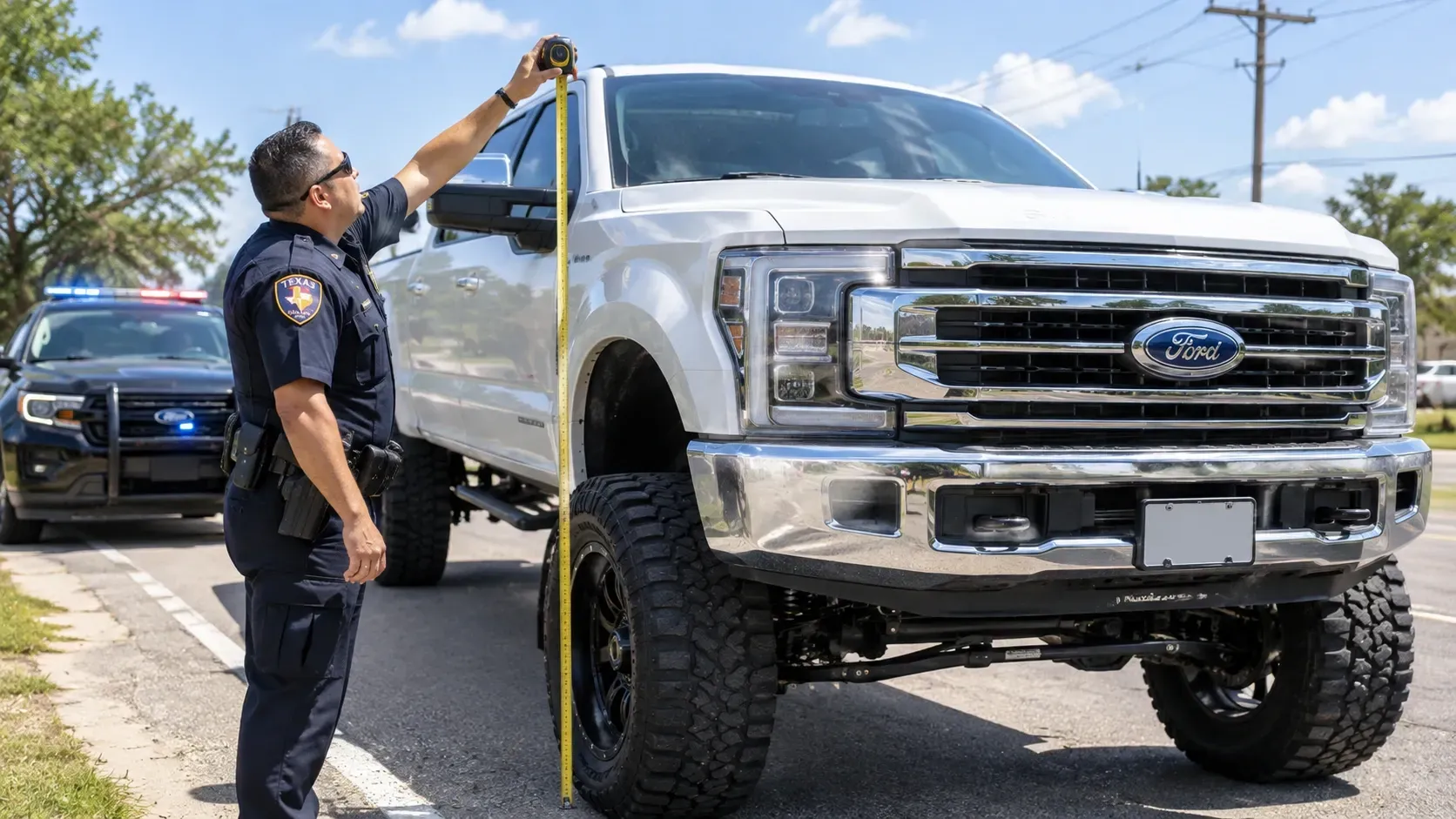
Texas does not set a simple statewide maximum lift height, measured in inches, for most pickup trucks, but a lifted truck still has to meet the state's equipment and safety rules. For anyone planning
truck lifting,
that means the maximum truck lift height you can run legally is the height at which your lights, tires, steering, and brakes all still work the way the law expects.
This matters to San Antonio drivers because the question usually comes up after the money is spent. A homeowner who lifts a daily driver, or a business owner who lifts a work truck for ranch and job-site access, can end up with a ticket, an insurance question, or a failed inspection if the truck no longer meets a basic equipment rule. The statute is rarely the problem. The details around it are.
This guide explains what Texas does and does not regulate, why the practical limit is often lower than the legal one, and how to choose a lift height without creating problems later. It is general information, not legal advice, so confirm current rules with the Texas Department of Public Safety before you commit.
The Short Answer: What Texas Does and Does Not Limit
Direct Answer
Texas does not publish a single statewide cap on how many inches you can lift a standard pickup. A lifted truck is still subject to equipment rules, such as where headlights and taillights are mounted and how they are aimed, so a lift that pushes those parts outside their allowed range can make the truck non-compliant.
Why the Answer Is "It Depends"
Many states regulate lift height through bumper height or frame height charts tied to the truck's weight rating. Texas has historically leaned on general equipment and safety rules instead of a single height number. That leaves more room for interpretation, which is why two lifted trucks of the same height can face different outcomes depending on lighting, tires, and condition.
What the Rules Do Not Say
The absence of a clear inch limit is not a green light. It means compliance is judged by the truck as a whole. A truck with a modest lift and misaimed headlights can have a bigger legal problem than a taller truck set up correctly.
Rules That Still Apply to a Lifted Truck
Lighting Height and Aim
Headlights and taillights have to be mounted within a height range set by Texas equipment rules, and headlights have to be aimed so they do not blind oncoming drivers. Raising a truck moves those lights upward and often tilts the beam, so aim usually needs to be rechecked after a lift. The exact mounting-height figures are worth confirming in the Texas Transportation Code or with DPS rather than relying on a number from a forum.
Overall Vehicle Height
Texas caps overall vehicle height on public roads, generally at 14 feet including any load. A lifted pickup sits far below that, so this limit rarely matters for personal trucks. It matters more to business owners who add tall racks, toppers, or equipment to a lifted work truck.
Tires, Fenders, and Coverage
Taller lifts usually go with larger tires, and larger tires can stick out past the fenders or rub at full steering lock. Whether a particular setup meets Texas tire and fender coverage expectations depends on the rule and the truck, so it is better to ask before the install than to find out at a traffic stop. A tire setup chosen with the right
wheels and tires
fitment in mind avoids most of this.
Inspection, Registration, and Local Enforcement
Texas has changed how vehicle inspections work in recent years, and requirements can differ by county and by vehicle type. In San Antonio and across Bexar County, officers apply state law, so the rule that counts is the state rule. Check current inspection and registration requirements with DPS or your county tax office, since they change more often than most people expect.
Why Lift Height Matters Beyond the Law
Stability and Center of Gravity
A taller truck has a higher center of gravity, which increases body lean in corners and raises rollover risk in sudden maneuvers. The risk grows with lift height and with large, heavy tires. A leveling kit that raises the front 1 to 2.5 inches changes handling far less than a 6 inch suspension lift.
Braking, Steering, and Alignment
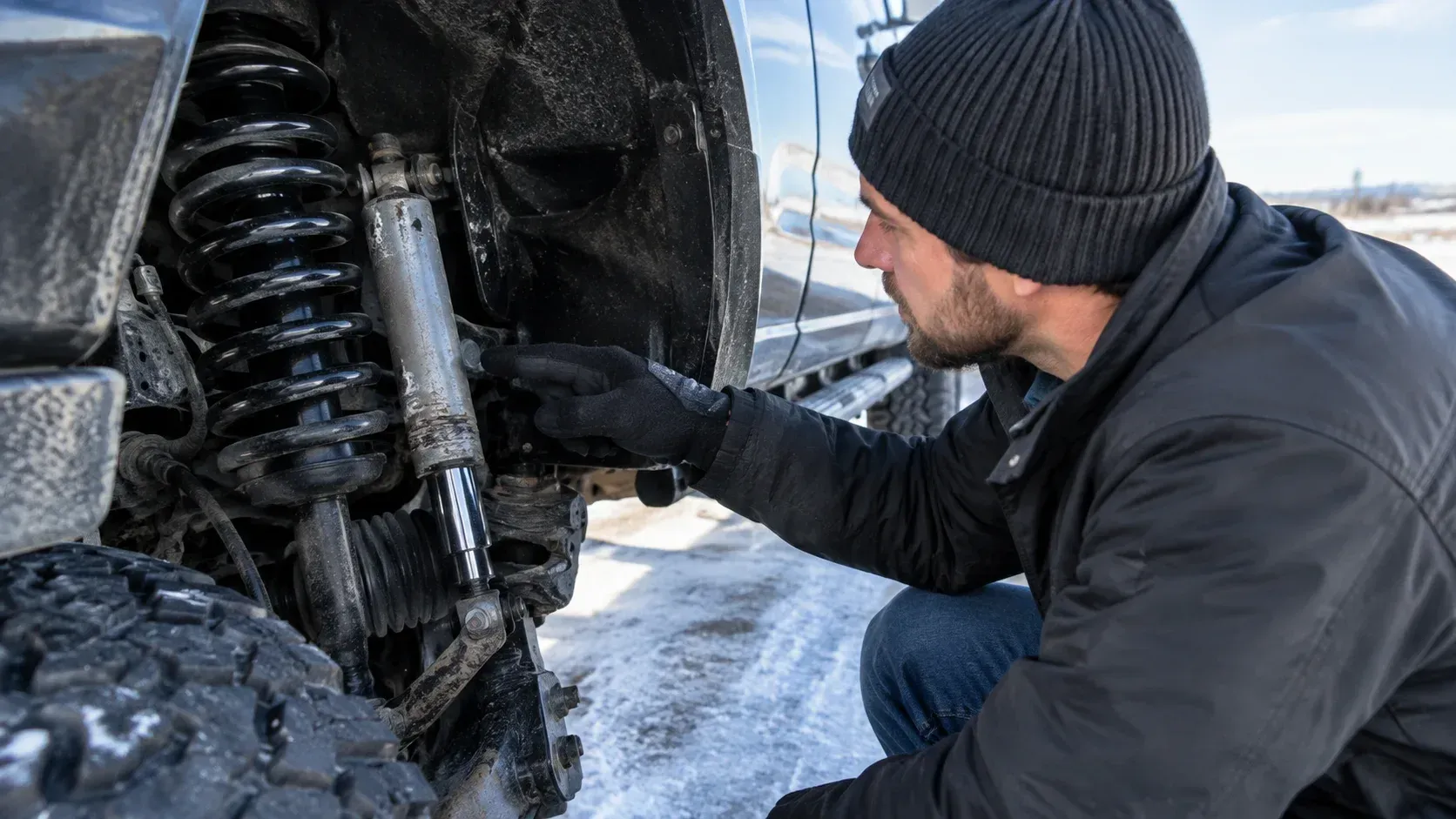
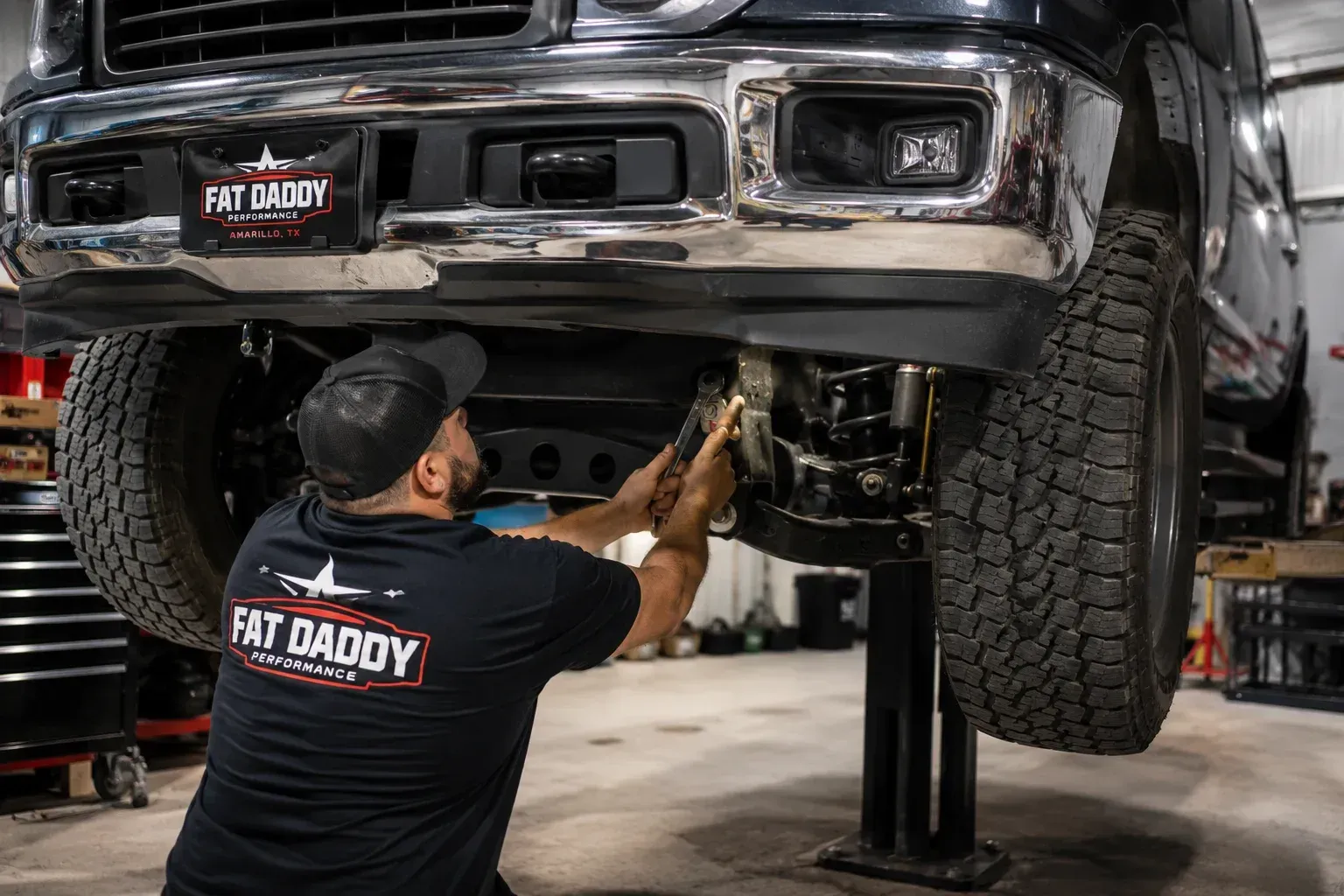
Bigger tires add weight and rotating mass, which can lengthen braking distances. A lift also changes steering and alignment angles, so the truck may wander or pull until it is realigned. Having a shop that handles
suspension services
check the geometry after the lift is a normal part of finishing the job.
Bumper Height Mismatch
A lifted truck's bumper can sit above the bumper and crash structures of lower vehicles. In a collision, that mismatch can send force into a smaller car's door and cabin instead of its frame. This is one of the more serious reasons a conservative lift is easier to defend than an extreme one.
Common Misunderstandings About Truck Lift Laws
Common Belief: If There Is No Posted Limit, Any Height Is Legal
What is actually true: The lack of a specific inch limit means the truck is judged under general equipment and safety rules. A lift that breaks a lighting, tire, or steering requirement can still be cited.
Why it matters: Treating "no limit" as "no rules" is the most common way a lifted truck ends up with a violation.
Common Belief: A Leveling Kit Is Not a Real Lift, So It Cannot Cause Problems
What is actually true: A leveling kit changes front ride height and alignment just like a larger lift, only by less. Headlight aim, alignment, and tire clearance can all be affected.
Why it matters: Small changes still need a post-install check, which is also part of what drives leveling kit installation costs.
Common Belief: A Lift Automatically Voids the Warranty
What is actually true: A modification does not automatically void a factory warranty, but a manufacturer can deny a claim if it shows the modification caused the failure.
Why it matters: Reading your warranty terms and keeping install records protects you either way.
A Realistic Scenario in San Antonio
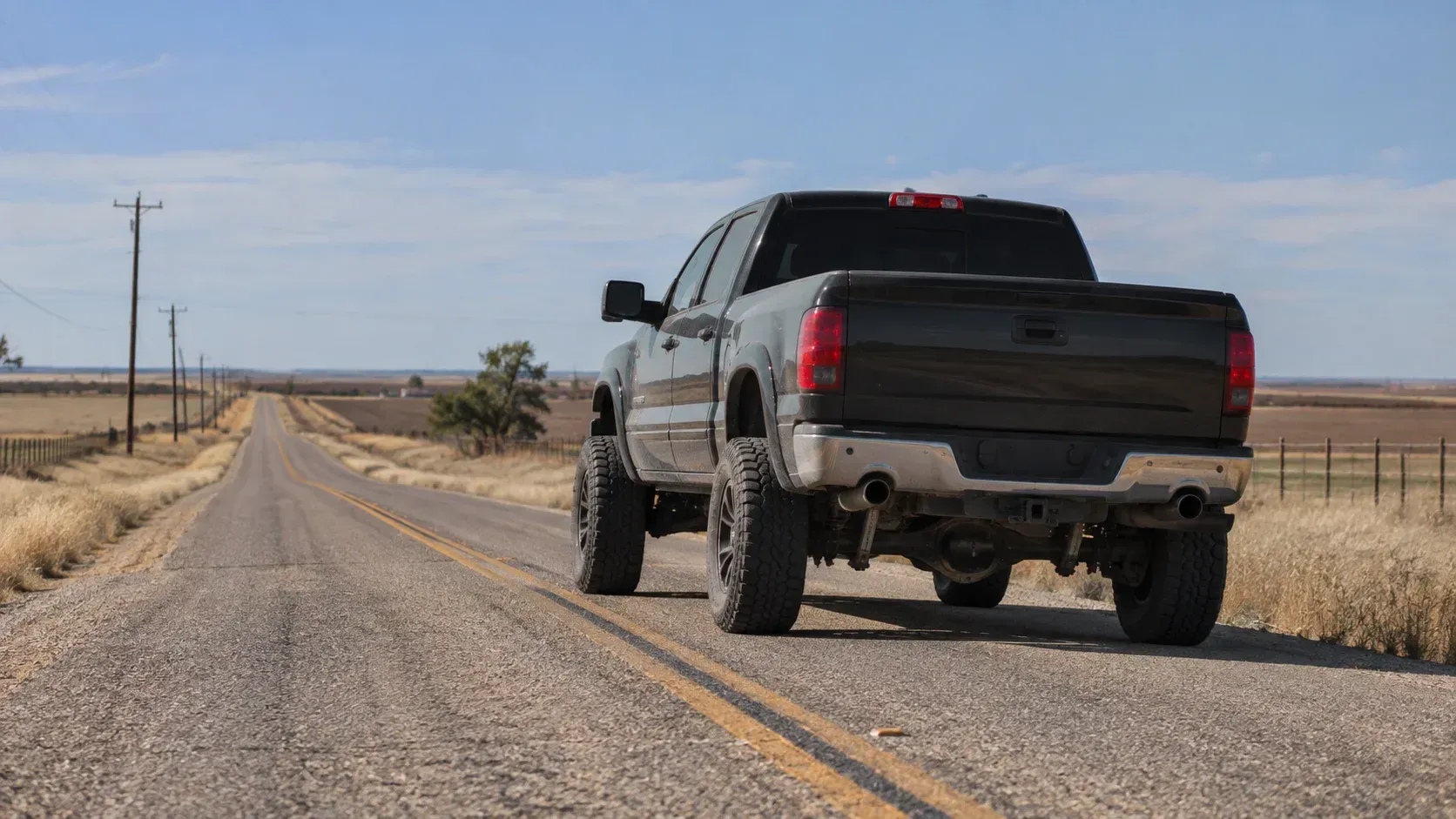
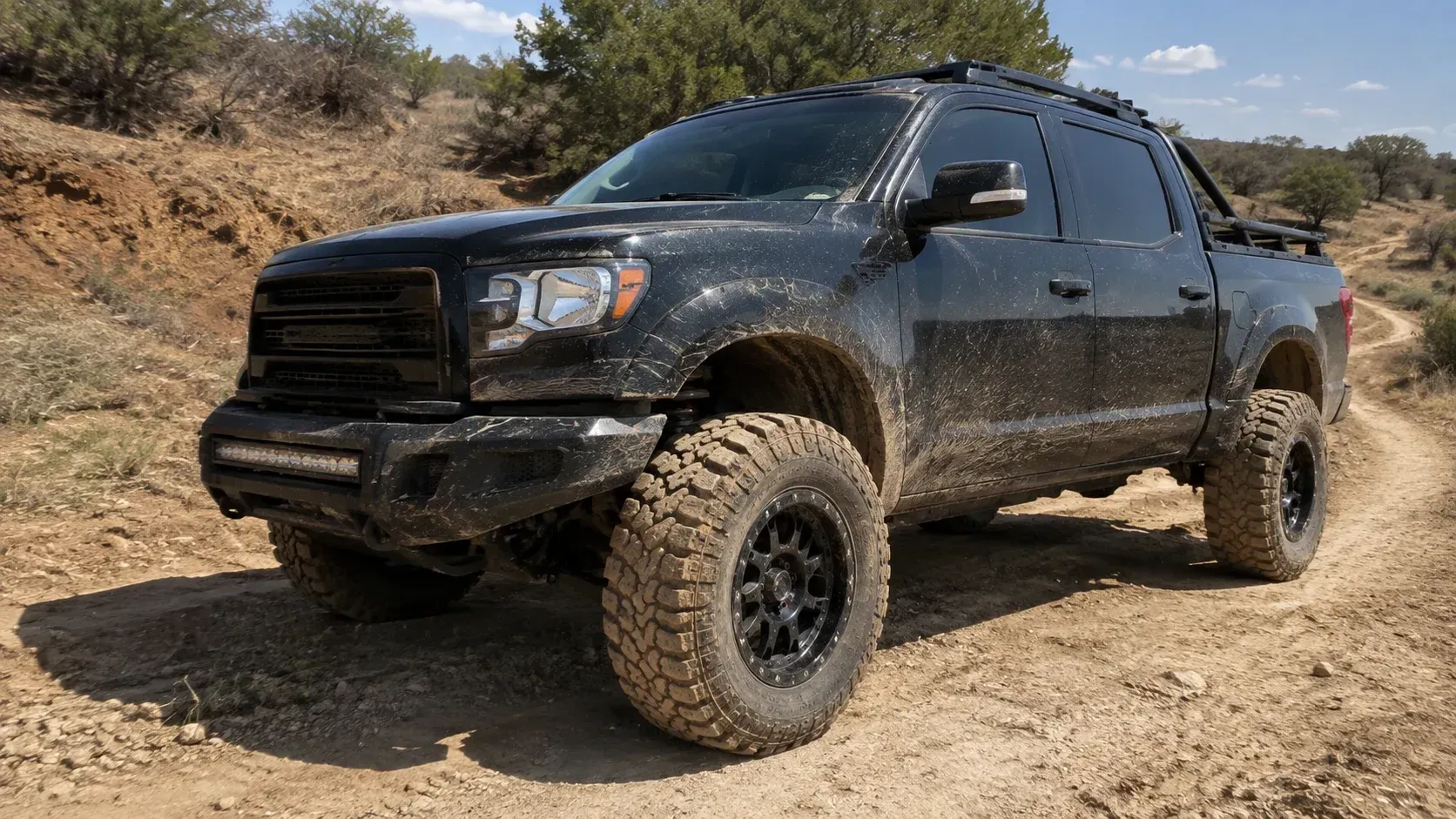
Consider a hypothetical example. A San Antonio business owner lifts a three-quarter-ton work truck 6 inches and adds taller tires so it can handle ranch roads and low-water crossings outside the city.
The lift works as intended off-road, but the headlights now aim higher than before, the truck pulls to one side because the alignment was never reset, and the new tires rub at full lock. None of those problems comes from a statewide height limit. Each comes from a rule or a mechanical detail the lift changed.
Re-aiming the lights, realigning, and fixing the tire clearance brings the truck back into good shape. This is an illustration of a common pattern, not a claim about any specific vehicle or a prediction of how an officer or insurer would respond.
How to Choose a Lift Height Responsibly
There is no single correct height, but a simple sequence keeps the decision grounded.
- Define the purpose. Appearance, larger tires, off-road clearance, and work access call for different heights.
- Start with the smallest lift that meets the purpose. Every extra inch adds cost, handling trade-offs, and legal exposure.
- Check the rules that apply. Confirm lighting, tire, and inspection requirements with DPS before buying parts.
- Plan the full package. Lift, tires, alignment, and headlight aim should be budgeted together.
- Tell your insurer. Coverage terms vary, and a modification you did not disclose can complicate a claim.
- Document the work. Keep receipts and install records in case warranty or insurance questions come up.
What Typical Online Advice Overlooks
Most articles on this topic answer with a number copied from another state or from a forum post, which is not a reliable way to learn what applies in Texas. The more useful question is what the lift changes on the truck, because those changes, not the height itself, are what trigger most violations.
Online advice also ignores insurance and use. A truck used for business carries different exposure than a weekend driver, and an extreme lift on a vehicle that tows or hauls changes the safety picture. The cost angle is often skipped too: the lift kit is rarely the full price once tires, alignment, and lighting adjustments are counted.
Finally, rules and enforcement shift over time. A forum answer from several years ago may no longer reflect current practice, which is why checking a current official source matters more than finding a confident-sounding answer.
Conclusion
Texas does not set a simple statewide maximum lift height for most pickups, but a lifted truck still has to meet equipment and safety rules, especially around lighting, tires, and overall condition. The practical limit is often lower than the legal one, because handling, braking, and bumper mismatch make extreme lifts harder to justify and harder to insure.
The most useful approach is to choose the smallest lift that meets your purpose, plan the supporting work together, and confirm current rules with an official source before buying parts. Understanding what a lift changes, rather than chasing a height number, is what keeps a lifted truck trouble-free.
Questions About Truck Lifting in San Antonio? Ask First
If you are weighing a lift and want to talk through kit types, tire fitment, and what the install involves, a short conversation can clear up most of the questions in this guide. Fatdaddy Performance is based in Amarillo and works on lift kits and suspension, and the team is glad to answer questions from drivers in other parts of Texas.
Send the team your questions
or call (806) 513-2020. No pressure, just clear information